149data breaches were reported by Australian health providers from January to June 2026, more than any other sector. Overseas, hackers are now handing break-ins to AI agents that work in minutes.
Source: OAIC (Oct 2026)
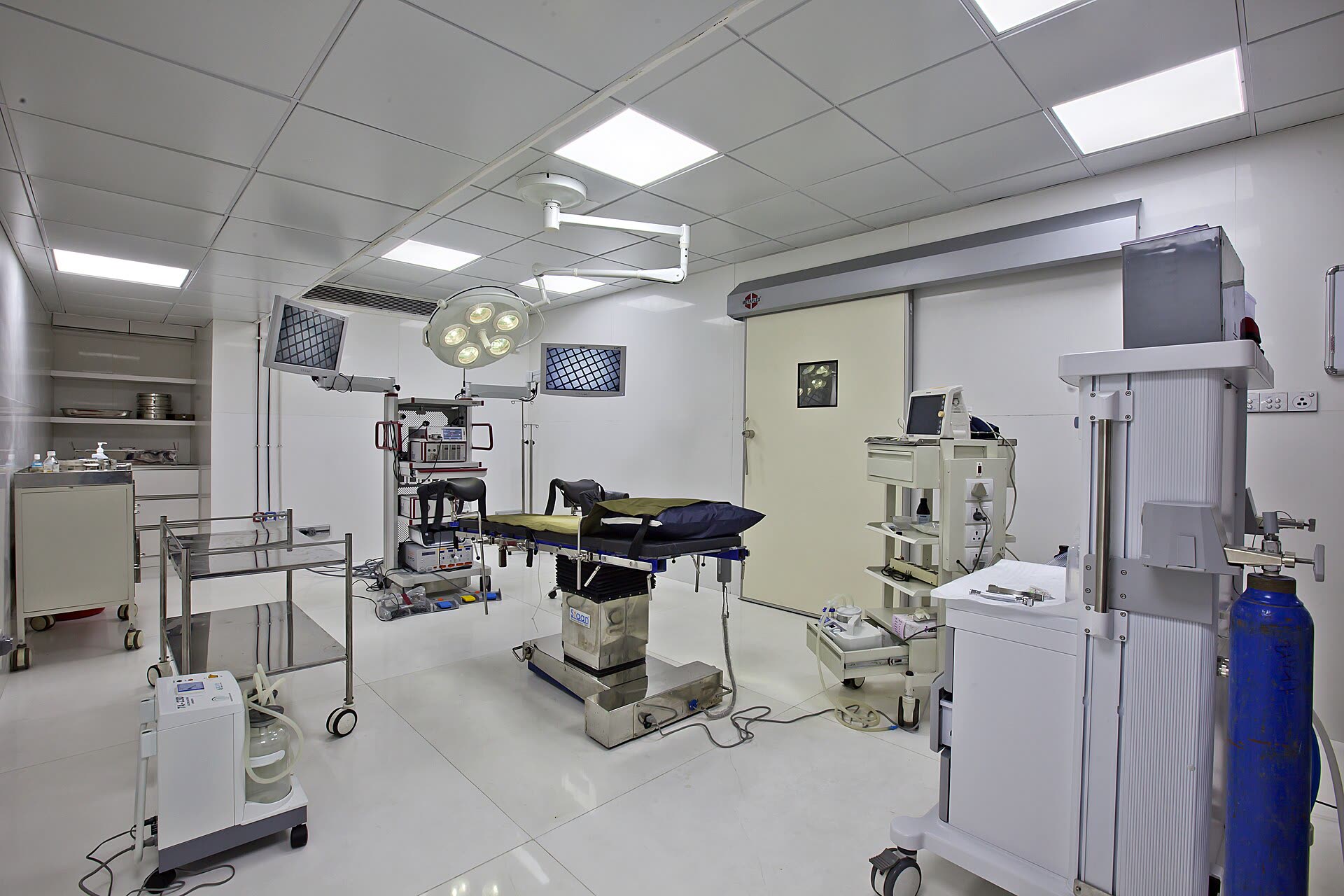
Your GP, pathology lab, pharmacy and hospital all hold your name, date of birth, Medicare number and medical history. In the first 6 months of 2026, health providers reported 149 data breaches to the privacy regulator, the most of any industry. Now the security firm CrowdStrike has documented criminals using AI agents to break into networks, including at least 15 healthcare organisations in Argentina. In one case an agent went from being blocked to harvesting password hashes in about 20 minutes. None of the Australian breaches has been publicly linked to AI agents yet. The worry is what this does to attacks already hitting the sector. You can’t stop a clinic being hacked. You can limit what a breach costs you.
How it works
How an AI-run break-in works
The attacker gives the orders. The agent does the typing.
Source: CrowdStrike (Oct 2026)
CrowdStrike found four previously unknown groups running these attacks between May and August 2026. All four used Anthropic’s Claude Code or Claude models. To get past the safety measures, a common trick was claiming the work was an authorised penetration test. CrowdStrike says such intrusions “will almost certainly increase in volume and sophistication”, and that they could let low-skill criminals work at the level once limited to organised gangs and state hackers.
What the researchers found
- Health records were taken. One group compromised at least 15 Argentine healthcare organisations and stole credentials and medical records from at least one.
- Agents work fast, and on their own. In one case an agent moved into a second victim’s network in a 12.5-minute session after a single human prompt. In another, six agents ran in parallel for about 4 hours.
- One break-in can reach hundreds of databases. Against a Russian software company, an agent chained a web flaw and leaked credentials to reach 726 tenant databases.
- It’s growing. CrowdStrike recorded 3 times as many AI-agent intrusions in the second half of 2026 so far as in the first half.

Australia’s health sector is already the top target
The Office of the Australian Information Commissioner received 667 breach notifications in January to June 2026. Health providers made 149 of them, and 72 of those were malicious or criminal attacks. Health has topped the list for years, partly because even small clinics must report, but it also led on criminal attacks. Across all sectors, the number of breaches affecting more than a million people rose from 4 to 11. In 2024, the MediSecure hack exposed the prescription data of about 12.9 million Australians.
Health sector breaches by cause
Notifications to the OAIC, January to June 2026
Health made 149 of 667 notifications across all sectors.
Source: OAIC (2026)
Privacy Commissioner Carly Kind says “organisations can’t lose personal information they don’t hold”. The same goes for you: every copy of your licence or Medicare card you hand over is one more place it can leak from.
The fix: make a breach worth less
Stolen health and ID data feeds scams and identity fraud, and stolen passwords get tried on your other accounts. Three moves make both harder.
What each fix does
Each one shrinks what a breach can be used for.
Use a password manager and two-step login
Give every account its own password, so one leaked login can’t be tried on your email, bank or myGov. A password manager like Proton Pass generates and remembers them, and its free plan covers unlimited passwords. Turn on two-step login, or passkeys, for email, banking and myGov first.
Try Proton Pass →Hand over less
When a clinic or app asks for a copy of your licence or extra details, ask why they need it and how long they’ll keep it. Under the Privacy Act, organisations should only collect what they reasonably need. In My Health Record you can set a Record Access Code so new providers need your permission, and remove providers you no longer see. Restricted information can still be opened in an emergency.
Control My Health Record →Check if you’re in a breach, and get help
Have I Been Pwned is a free site that tells you if your email address has turned up in known breaches. If a provider tells you your ID was stolen, replace it, and call IDCARE, Australia’s free identity and cyber support service. Treat any call or text that mentions your health details as a possible scam.
Get help from IDCARE →Do this today
- 1. Check your email on Have I Been Pwned.
- 2. Change any reused password, starting with email and myGov.
- 3. Turn on two-step login wherever it’s offered.
- 4. Next time a clinic asks for ID copies, ask why.
For how much of your data big tech already hands over, read how Google, Meta and Apple gave up 3.5 million accounts.
What to make of it
Health providers already report more breaches than any other industry, and AI is making break-ins faster and cheaper. The fix for clinics is better security, and that’s on them. The fix for you is to assume your details will leak one day, and make sure a leak opens nothing else: one password per account, two-step login, and less data handed over in the first place.
Sources
- CrowdStrike (2026): CrowdStrike uncovers new agentic AI campaigns
- IT Brief Australia (2026): CrowdStrike finds AI agents running autonomous cyberattacks
- Insurance Business (2026): Mega breaches nearly triple as health sector tops Australia’s data breach count
- OAIC (2026): Large-scale data breaches on the rise, latest OAIC statistics reveal
- OAIC: Data breaches
- My Health Record: Control access to your record
- IDCARE: Australia and New Zealand’s national identity and cyber support service
- Have I Been Pwned
This article is general information, not security or legal advice. Disclosure: the Proton Pass link is a referral link, and Harrison Spanner may receive a credit if you sign up.