7 hoursis about how long 203 residents of a “cruise for life” had to get off the ship in Cambodia, after the company ran short of money. Some had paid hundreds of thousands of dollars for their cabins.
Source: Euronews (28 Oct 2026)
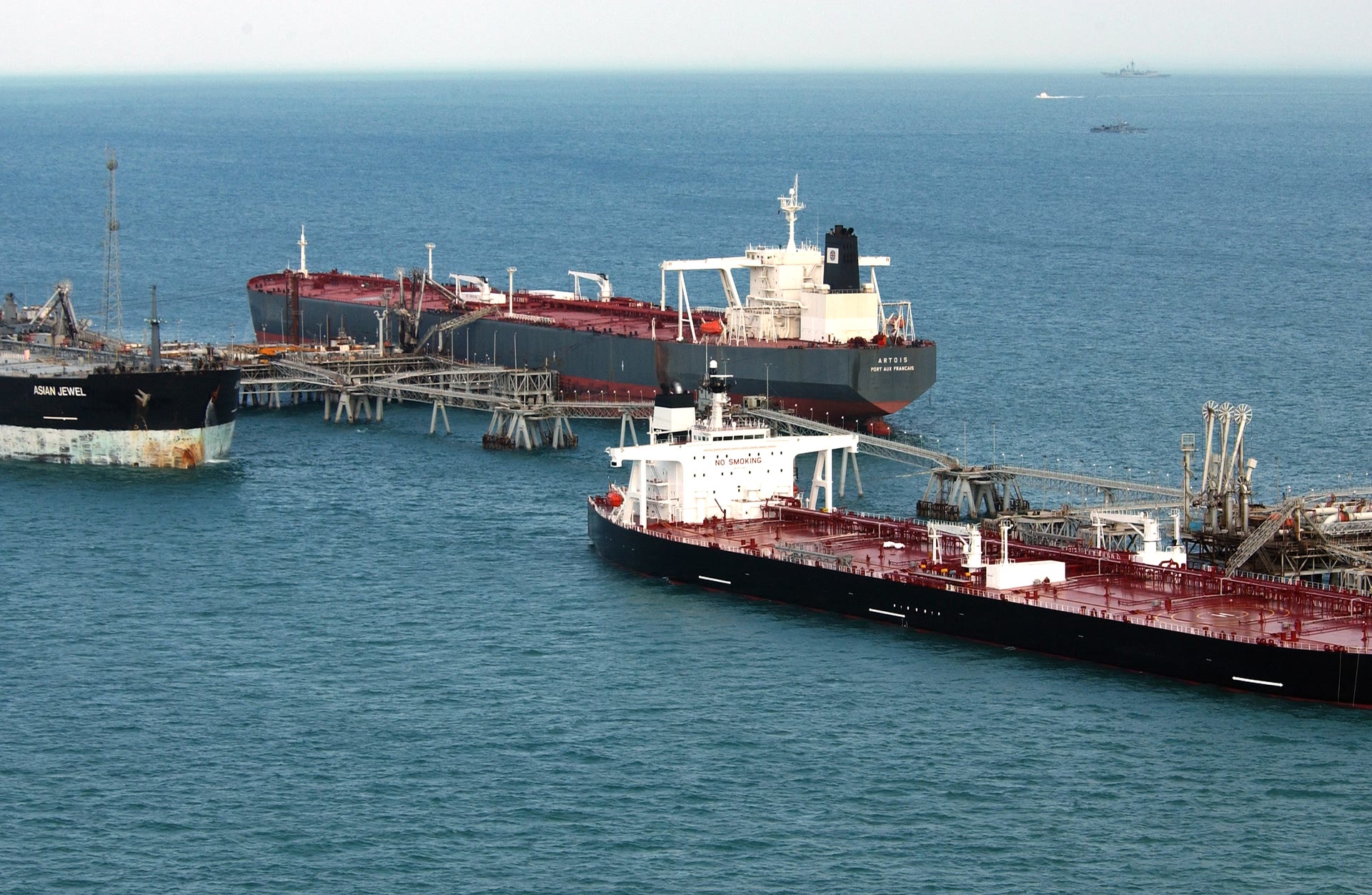
The Villa Vie Odyssey sold a dream to retirees and remote workers: buy a cabin and live at sea, sailing the world for years. In 2024 it advertised cabins from US$119,000, and lifetime suites started around US$230,000. One buyer, a company, paid US$469,000 for a cabin, according to a lawsuit. In late October, the company suspended operations in Sihanoukville, Cambodia, and residents were given about seven hours to leave the ship. The ABC reported Australians were among them, including a Queensland woman who put about $63,500 of her super into the cruise by bank transfer. When you prepay for years of anything, you’re betting the company will still be around to deliver it.
How it works
How a prepaid promise falls apart
The earlier you pay, the longer your money is at risk.
Villa Vie says fuel costs per cabin rose from an average of US$1,800 a month to an estimated US$6,000 to US$8,000 in parts of Asia after the Iran war began. It said “passing the full increase on to residents is not a realistic solution”, and said in late October it was pursuing a restructure over 60 days, with no outcome assured.
The warning signs
- Asking residents for money. One cabin owner told NBC that in September a company official asked owners to help raise US$1 million to leave Ha Long Bay in Vietnam, warning of about 4 days of operation left. The ABC reported residents had been asked for fuel money as early as February, and some paid hundreds of thousands extra.
- An old ship. The Odyssey was built in 1993, and Villa Vie bought it in 2023. The voyage, planned to last three and a half years, began in Belfast in late 2024.
- A lawsuit. The buyer who paid US$469,000 sued, alleging the company misrepresented its financial stability. Villa Vie denies the allegations, and the case was ongoing as of late October.
- A sales figure that didn’t move. The company said the ship was 85% sold in 2024, and said 85% again in 2026. Most of the money was already collected, so a fuel shock had nowhere to go.
Insurance usually won’t save you
Most travel insurance policies don’t cover a travel company going broke. When CHOICE reviewed policies in 2023, only 22 of 132 covered travel provider insolvency, usually capped at about $1,000 to $10,000, and none covered a travel agent going bust. If you’re not covered, you register with the administrator and rank as an unsecured creditor, often recovering little.
Fuel cost per cabin, per month
What Villa Vie says it was paying, in US dollars
Company estimates, not independently checked.
Source: Villa Vie via Euronews (2026)
Australians have been here before. When the airline Bonza collapsed in 2024, customers with future flights were left out of pocket. The same risk sits behind any big prepayment: a long tour, a membership paid years ahead, a deposit on something not yet built.
The fix: protect money you pay in advance
You can’t control a company’s fuel bill. You can control how you pay, how much you hand over early, and what cover you have.
What each fix does
Each one gives you a way back if the company goes under.
Pay by card, and move fast
If you pay by credit card, or a Visa or Mastercard debit card run as “credit”, you can ask your bank for a chargeback when paid-for services aren’t delivered. It isn’t guaranteed, limits are often 60 to 120 days from the transaction date, and some banks set shorter ones, so contact them as soon as a company collapses, with receipts and any letters from the administrator. Bank transfers usually can’t be reversed.
How chargebacks work →Check your travel insurance for insolvency
Search your policy wording for “insolvency” or “financial collapse” before you book. Most policies exclude it, and those that include it often cap the payout. If the trip is expensive, pick a policy that covers it, and buy it when you pay the deposit, not later.
CHOICE on insolvency cover →Don’t prepay more than you can lose
Before paying years ahead, ask where your money is held, whether it’s in a trust account, and what happens if the company fails. Pay in stages where you can. Treat a company asking customers for emergency cash as a sign to stop paying, not to pay more.
Moneysmart →Do this today
- 1. List anything you’ve prepaid: trips, memberships, deposits.
- 2. Check how you paid and how long you have to dispute it.
- 3. Read your travel policy for insolvency cover.
- 4. Next big booking, pay by credit card, in stages.
For why fuel costs jumped this year, read how Iran shut the strait that carries 1/5 of the world’s oil.
What to make of it
Residents paid for a home at sea and were given hours to leave it. A war half a world away pushed up fuel costs, but the real risk was built in from the start: huge sums paid upfront to a company with an old ship and little room for a shock. Any time you pay years ahead, you become an unsecured lender to the business. Pay by card, in stages, and only hand over what you could afford to lose.
Sources
- ABC News (2026): Odyssey residential cruise ship passengers forced off in Cambodia
- Euronews (2026): Abandon ship: around 200 cruise-for-life passengers stranded in Cambodia
- NBC (2026): Residents of residential cruise The Odyssey told to disembark in Cambodia
- CHOICE: Does travel insurance cover insolvency?
- Worrells (2025): Chargebacks: a potential shield for customers impacted by insolvent retailers
This article is general information, not financial or legal advice. Consider your own circumstances before acting.