3.6 millionAustralian households ran short of food in the past year, 1 in 3 of all households, Foodbank estimates. Hunger has moved into middle Australia, and 69% say it’s their first time.
Source: Foodbank Hunger Report 2026, via Food & Drink Business
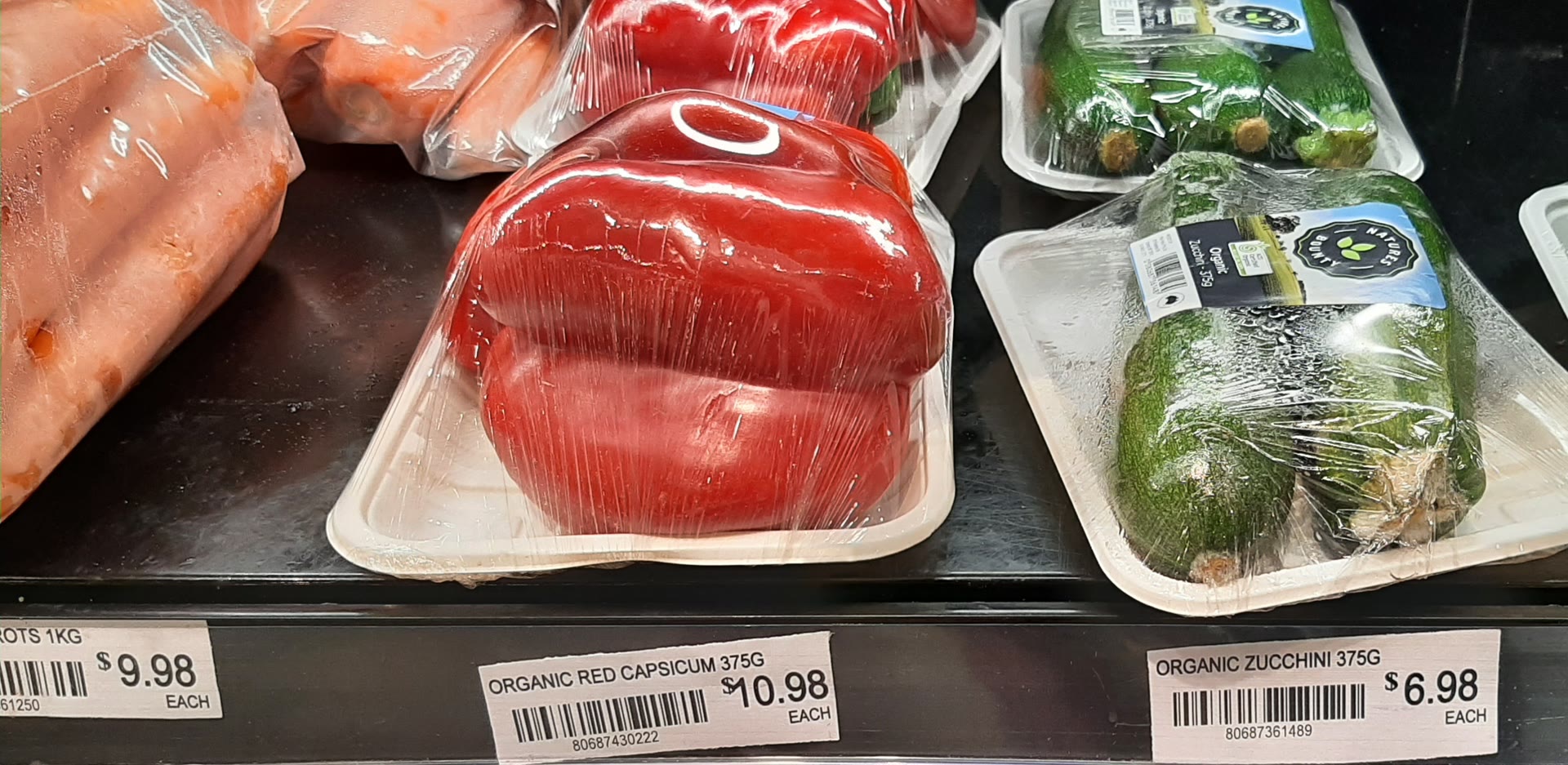
This isn’t about someone else. Foodbank’s 2026 Hunger Report, out on 26 October, found 3.6 million households were food insecure in the past 12 months: they skipped meals, ate less, or couldn’t afford decent food. That’s 100,000 more than last year. 69% told Foodbank it was their first time. If you rent, the odds are now a coin toss; with kids or casual work, not far off.
How it works
How a working household ends up skipping meals
Four steps. Food is the only big bill you can cut on the day.
Based on the Foodbank Hunger Report 2026
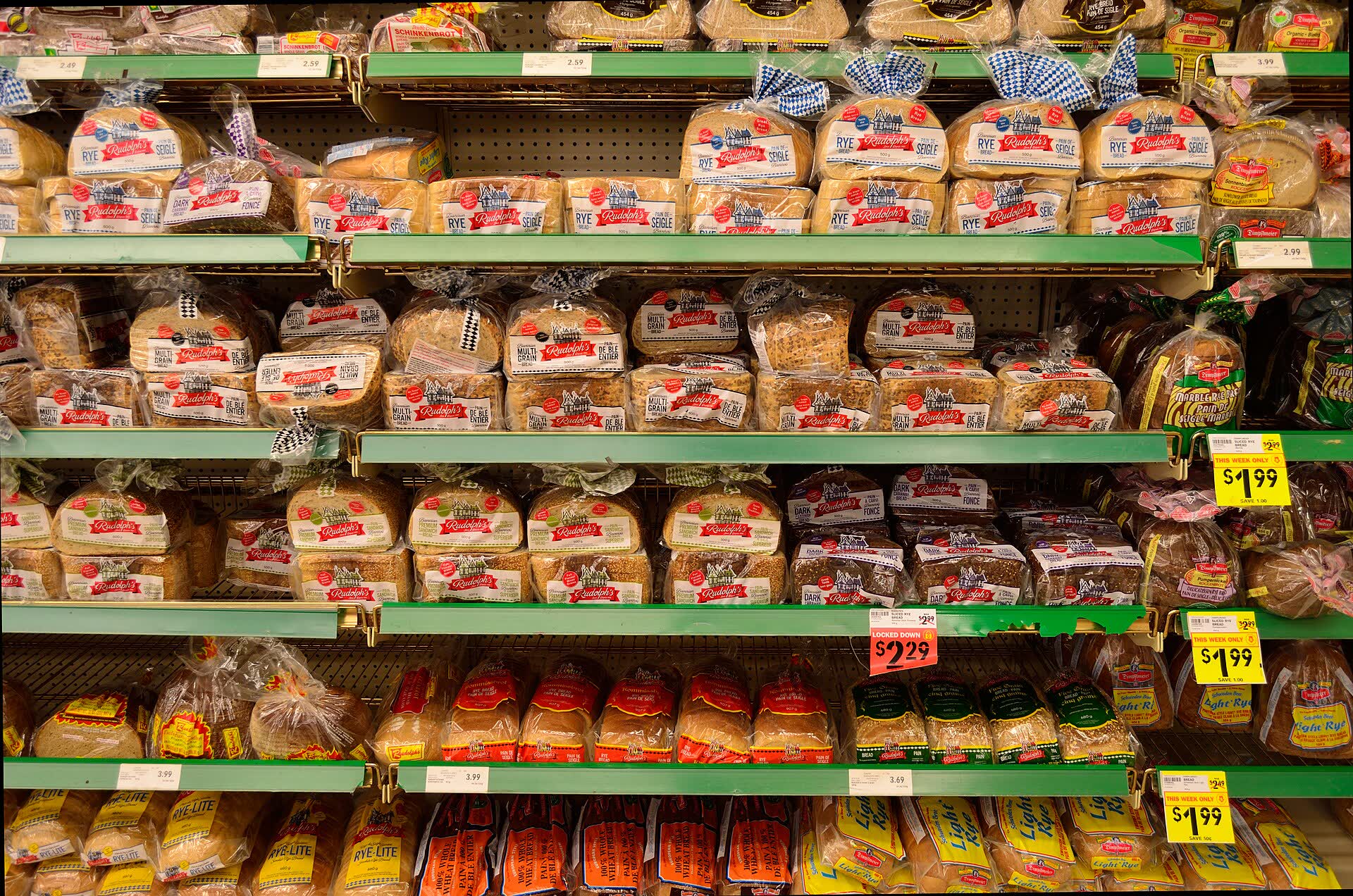
Rent and the power bill don’t wait. The grocery bill is the one you can shrink tonight, so it’s the one that goes. Foodbank found 56% of struggling households switched to cheaper food, 38% cut back on fresh fruit and vegetables and 37% cut protein. Among the worst off, 96% cut meal sizes or skipped meals, and in 1/2 of those homes an adult went a whole day without eating.
Who is going without
- Middle earners, not just the poor. 37% of what Foodbank calls middle-income households, earning $33,800 to $90,999 were food insecure. Foodbank’s chief executive Kylea Tink said “hunger is no longer confined to the margins; it is impacting middle Australia.” For the lowest earners the rate was 53%, with 37% severely food insecure, the worst since the survey began.
- Renters, by a mile. 51% of renting households went short, against 12% of outright owners. Median weekly rent hit $705 in June 2026, up 40.6% in 5 years, Foodbank noted from ABS data.
- Families with kids. 45% of households with children and 60% of single-parent homes were food insecure. School breakfast programs now feed 45% of struggling families with school-aged kids, up from 36% a year ago.
- People with jobs. Households with part-time or casual workers hit a record 42%. Tink told AAP that “a working-family income is increasingly not able to stretch.”
Why it isn’t getting better
The rate is below its 2022 peak of 35.9% but stuck near a third: 32.8% last year, 33% now. The headcount rises mostly because there are more households. The ABS’s own 2023 survey found a lower 13.2%; Foodbank’s online survey asks more questions and runs higher, but it’s the only one taken every year. And it was taken in July and August, before inflation rose to 4.3% in September, with another rate rise possible.
Who went short of food in the past year
Share of households that were food insecure, 2026
Online survey of 5,880 adults, 9 July to 4 August 2026, weighted to be nationally representative.
Source: Foodbank Hunger Report 2026
Canberra’s answer so far is small. A federal “surge” package of $4.7 million was announced on 11 October, including $700,000 for Foodbank. In March it rejected a food donation tax offset, citing an uncapped budget cost and the risk of favouring big corporations, and pointed to $20 million over 5 years for food rescue groups instead. Foodbank’s findings are blunt: half of struggling households don’t know where to find help, and 48% are too embarrassed to ask.
The fix: claim it, stretch it, ask for it
You can’t fix rents this week. You can make sure you’re getting every dollar you’re entitled to, get more nutrition out of every dollar you spend on food, and know exactly where help is before you need it.
What each fix does
Each one protects what’s on the plate.
Sources: Services Australia; Li et al. (2017); Ask Izzy
Services Australia’s payment finder
Some working families and renters are eligible for payments they haven’t claimed, such as Rent Assistance or Family Tax Benefit. The free Payment and Service Finder asks about your situation and estimates what you might get. Then claim through myGov.
Check what you can claim →Frozen vegetables and tinned fish
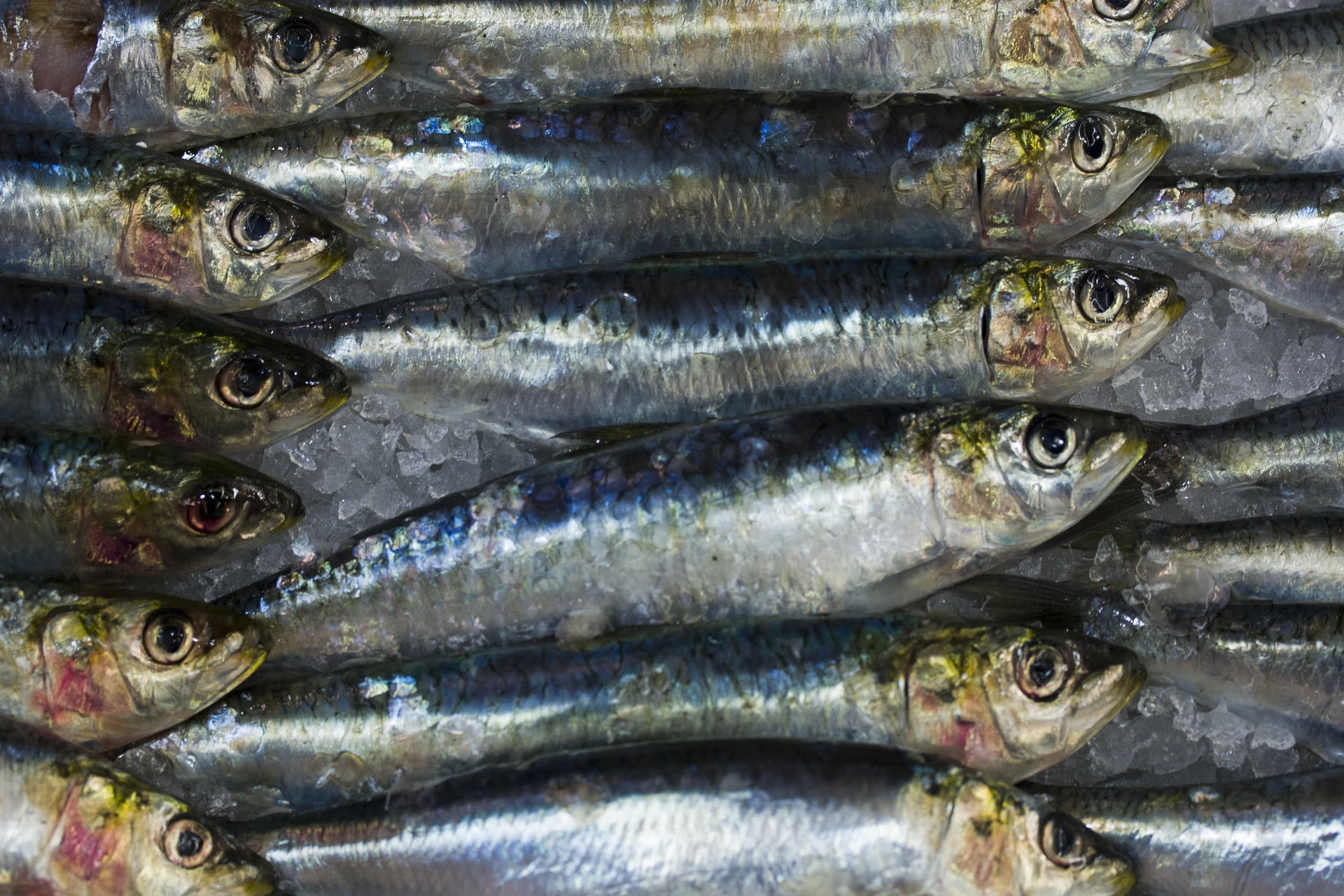
A two-year study of 8 fruits and vegetables found “no significant differences” in vitamin C, vitamin A and folate between fresh and frozen in most tests, and frozen often beat fresh produce kept 5 days in the fridge. The study was funded by the US frozen food industry, so weigh it with that in mind. Pair frozen veg with tinned sardines or salmon for cheap protein and omega-3, and nothing goes off in the fridge.
Why sardines beat pills →Ask Izzy
Ask Izzy is a directory of local services, from free meals and food hampers to emergency relief, run by the not-for-profit Infoxchange. Pick the Food category and type your suburb. Using it now, before things get worse, is the point.
Find food near you →Do this today
- 1. Run the Payment and Service Finder for your household, and claim anything it lists.
- 2. Swap some fresh veg for frozen and add tinned fish to this week’s shop, instead of cutting protein.
- 3. Save Ask Izzy on your phone, and share it with anyone you think is skipping meals.
For why the food you can afford carries less goodness than it used to, read how vegetables lost up to 38% of some nutrients since 1950.
Go deeper
- Salt Sugar Fat by Michael Moss. How processed food was engineered to be cheap, craveable and hard to stop eating.
What to make of it
One in three households going short of food, in one of the richest countries on earth, is a choice, not bad luck. Rents, power and fuel are taking the money first, and food is what’s left. Until Canberra acts on the causes, protect your own table: claim what you’re owed, buy smarter, and don’t be too proud to use the help that’s there.
Sources
- Food & Drink Business (2026): Hunger moves into middle Australia (Foodbank Hunger Report 2026)
- AAP via Starts at 60 (2026): Food insecurity ‘entrenched’ for a third of households
- ABS (2025): Food insecurity, 2023
- ABS (2026): CPI rose 4.3% in the year to September 2026
- Li et al., Journal of Food Composition and Analysis (2017): Selected nutrient analyses of fresh, fresh-stored, and frozen fruits and vegetables
- Services Australia: Payment and Service Finder
- Infoxchange: Ask Izzy
Amazon links are affiliate links. As an Amazon Associate I earn from qualifying purchases.
This article is general information and analysis, not financial advice. Follow the sources to form your own view.