1 in 4Australians aged 45 to 74 without heart disease now fall into the “intermediate” band for heart attack and stroke risk under the new national calculator, more than twice as many as under the old one. In that band, whether you get treatment comes down to a judgement call, so you need to know your numbers.
Source: Medical Journal of Australia (2026)
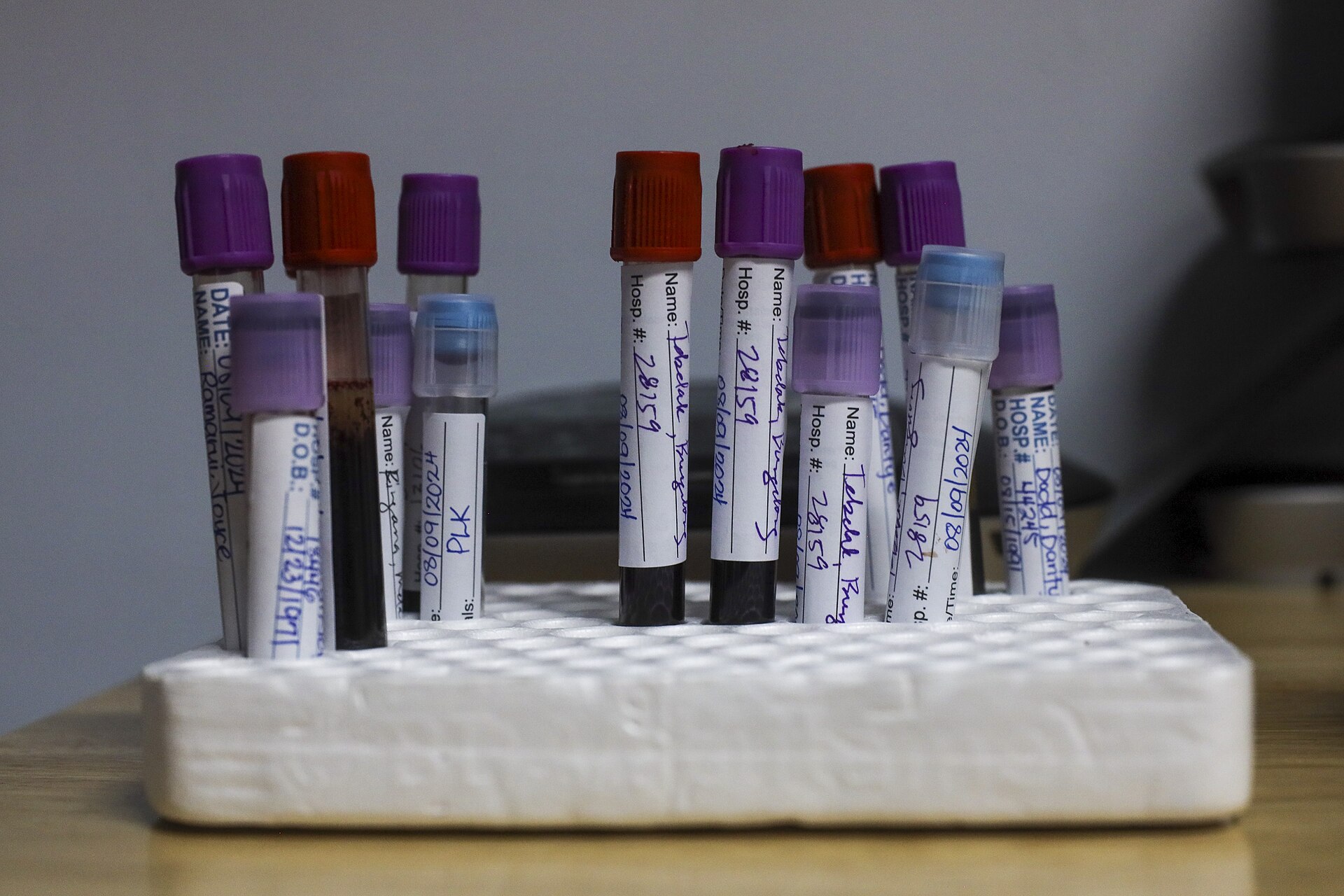
Your GP decides whether to treat your blood pressure and cholesterol largely on one number: your chance of a heart attack or stroke in the next 5 years. Australia changed how that number is worked out in 2023. A study of more than 115,000 GP patients, published in the Medical Journal of Australia, shows what that did: 26.4% of people aged 45 to 74 now land in the middle band, up from 11.6%. In that middle band, there’s no automatic answer. It depends on what you and your GP do next.
How it works
How your heart risk score is used
The new calculator sorts you into 3 bands.
Sources: MJA; Retail Pharmacy, on the Heart Foundation’s guidance
The old calculator was built on a US equation that overestimated risk for most Australians and underestimated it for Aboriginal and Torres Strait Islander people. The new one adapts a New Zealand equation, built on data from hundreds of thousands of people, to Australian death rates, and adds social disadvantage, heart medicines and a history of atrial fibrillation. It also lowered the cut-offs: high risk now starts at a 10% chance in 5 years, down from 15%, and intermediate now covers 5% to 10%, down from 10% to 15%. That shift is the main reason the middle band grew.
What the study found
- The grey zone more than doubled. Under the new calculator, 26.4% of people without heart disease fell into the intermediate band, against 11.6% on the old one.
- Fewer people are labelled high risk. High risk fell from 17.6% to 9.7%. The authors say this is largely because the rules for automatically calling someone high risk changed, and likely reflects more accurate estimates for today’s Australians.
- The low-risk group changed less. It went from 70.8% to 63.9%, in line with international standards.
- The key step hasn’t been tested. The guideline lets GPs move people up or down a band using extra information. The study couldn’t test that step, and the authors urge GPs to use it and to consider medicine for people at intermediate risk.

Why the grey zone matters
The Heart Foundation’s chief medical adviser, Professor Garry Jennings, a co-author of the study, says the intermediate band “requires careful clinical judgement”. In my view, that judgement takes time and the right information. It’s unlikely to be settled in a 10-minute appointment about something else.
Where Australians aged 45 to 74 without heart disease sit
Share in each 5-year risk band, old and new calculator
The bands use different cut-offs. High is ≥10% on the new calculator and >15% on the old; intermediate is 5% to 10% on the new and 10% to 15% on the old.
Source: Lazarevic et al, MJA (2026)
The stakes are real. Coronary heart disease is Australia’s leading single cause of death, at about 1 in 10 deaths. Age-standardised death rates have fallen more than 80% since 1980, though provisional counts rose from 13,700 in 2020 to 14,900 in 2022 as the population ages.

The fix: get out of the grey zone
You can’t change your age. You can find out exactly where you sit, give your GP the extra facts that move you out of the middle, and work on the numbers that are in your control.
What each fix does
Each one turns a vague risk into a clear decision.
Sources: Heart Foundation; Retail Pharmacy
Book a heart health check
A Medicare-funded 20-minute heart health check works out your 5-year risk and a plan to lower it. Funding has been extended to June 2028, and more than 870,000 have been done since 2019. The Heart Foundation recommends a check for everyone 45 and over, Aboriginal and Torres Strait Islander people from 30, and people with diabetes from 35. Book it as its own appointment, and ask for your actual percentage.
About the check →Ask what would change the answer
GPs can adjust your score using family history, a coronary artery calcium score and ethnicity. Tell your GP if a parent or sibling had heart disease young. Ask whether a calcium scan, a CT that looks for hardened plaque in the heart’s arteries, would help you decide. It usually isn’t covered by Medicare, so ask the price first.
The risk calculator →Work the numbers you control
Blood pressure, cholesterol, smoking and diabetes all feed your score, and all respond to what you do. Cut back on salty processed food, move most days, and if you smoke, stopping does more than any pill. If your GP suggests blood pressure or cholesterol medicine, ask how much it would lower your 5-year risk, in percentage points, so you can weigh it properly.
How risk is measured →Do this today
- 1. Book a heart health check if you’re 45 or over and haven’t had one.
- 2. Write down your family history of early heart disease before you go.
- 3. Ask for your exact 5-year risk, and what would move it.
For one habit with surprisingly strong heart data, read what the research says about saunas and your heart.
What to make of it
The new calculator is more accurate, but it has put far more middle-aged Australians in a band where nobody decides for you. That’s not bad news if you use it. Get your number, bring the facts that sharpen it, and make the treatment decision with your GP on purpose, not by default.
Sources
- Lazarevic et al, Medical Journal of Australia (2026): Distribution of cardiovascular disease risk based on the updated 2023 Australian algorithm
- Medical Journal of Australia (2025): Development and calibration of the 2023 Australian cardiovascular disease risk equations
- Retail Pharmacy (2026): More Aussies at risk of heart attack and stroke, study finds
- AIHW: Heart, stroke and vascular disease, Australian facts: coronary heart disease
- Heart Foundation (2025): Three-year extension for Medicare heart health check
- Heart Foundation: CVD risk charts and calculator
This article is general information, not medical advice. Talk to your doctor about your own heart risk and treatment.