17%growth in fast-twitch muscle fibres for lifters who cooled down actively. In those who took an ice bath, the fibres didn’t significantly grow. Your post-gym plunge may be costing you the muscle you train for.
Source: Roberts et al., The Journal of Physiology (2015)
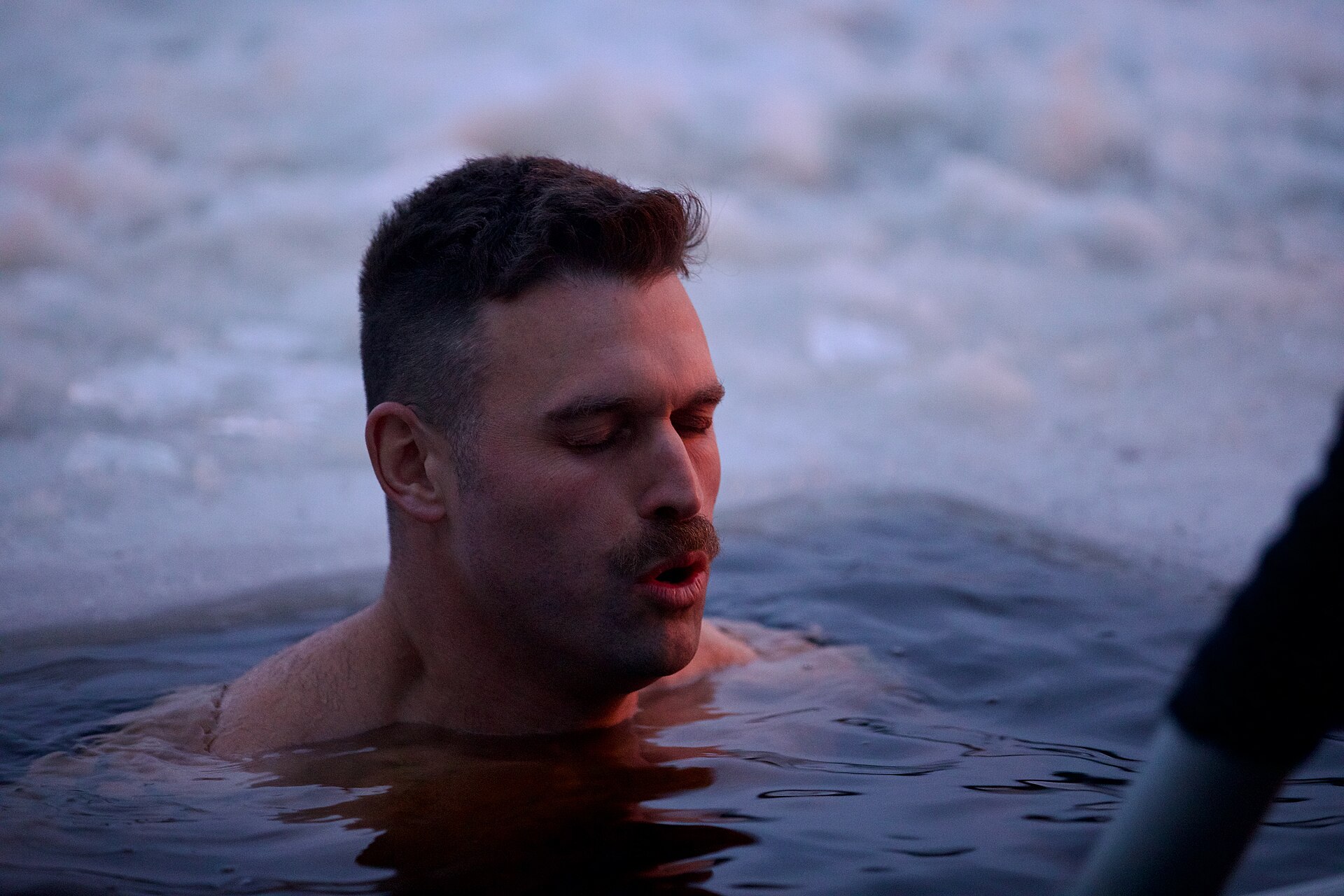
Ice baths are everywhere now: gyms, backyards, your feed. They’re sold as recovery, as if cold helps your muscles rebuild. A trial run in Brisbane found the opposite. Lifters who iced after every session built less muscle and strength than lifters who cooled down on a bike instead. Cold makes you feel recovered. It doesn’t make you grow.
How it works
How an ice bath gets in the way
Four steps. The third is the one you control.
The Brisbane team took muscle samples before and after training. With an ice bath, the repair cells and a key growth signal rose less than with an easy cool-down on a bike. Their conclusion was blunt: regular post-exercise ice baths “should be reconsidered”.
What cold actually does
- It eases soreness. Pooling 55 trials, a 2025 analysis found 10–15 minutes at 11–15°C worked best for next-day soreness, with slightly colder water better for jump performance.
- It lowers stress, later. A University of South Australia review of 11 trials and 3,177 people found stress dropped 12 hours after cold water, but not immediately or the next day.
- It raises inflammation first. The same review found inflammation went up straight after immersion, the opposite of the anti-inflammatory claim. Pooled, it found no clear effect on mood.
- It can lift you in the moment. In a brain-scan study of 33 adults, 5 minutes in 20°C water left people feeling more active, alert and attentive, and less nervous.
- Cold showers may mean fewer sick days. In a Dutch trial of 3,018 adults, a cold finish to the daily shower cut self-reported sickness absence by 29%, though not the number of days people felt ill.
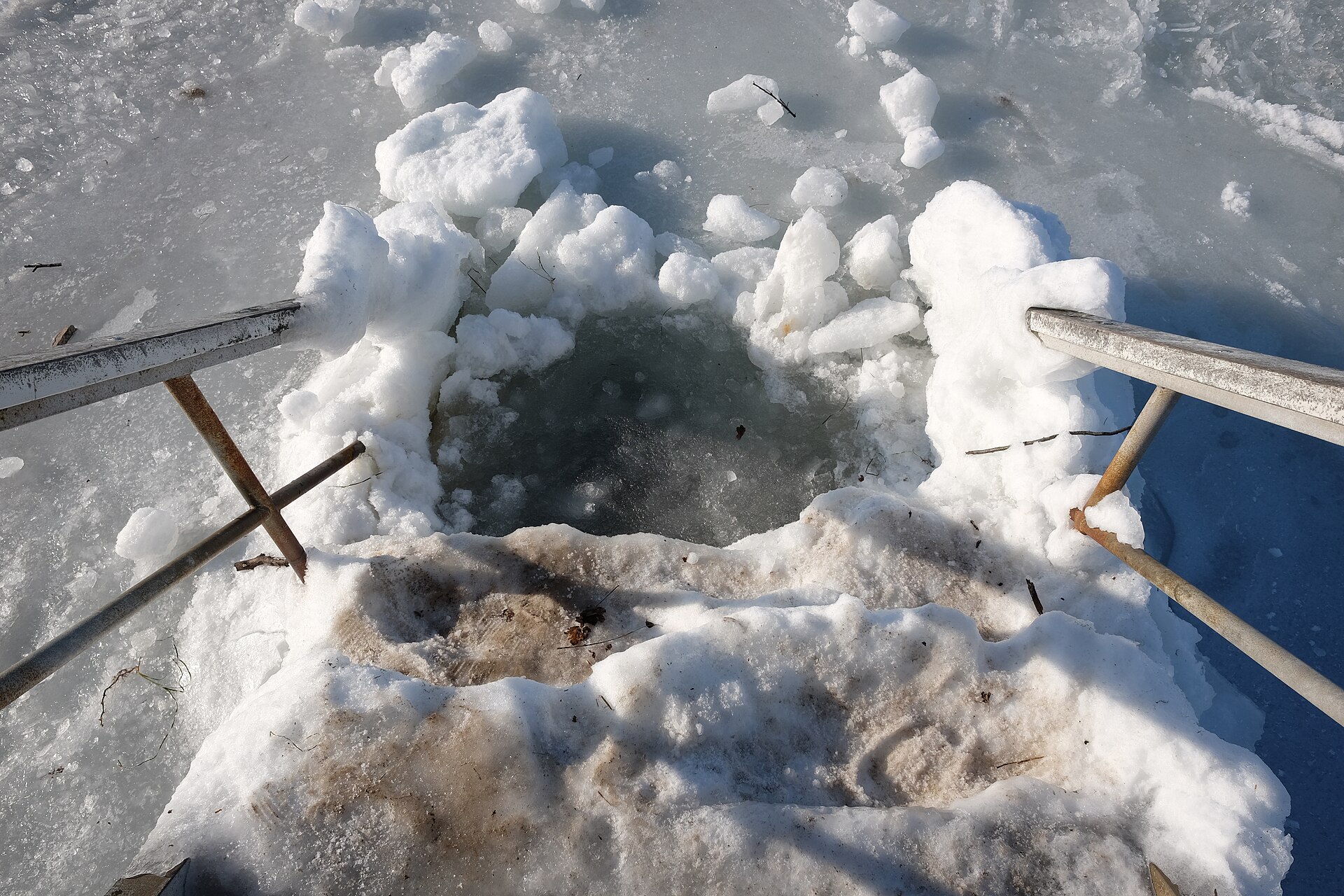
Why it’s worse for lifters than the marketing says
In the Brisbane trial, 21 active men trained twice a week for 12 weeks. After every session, half sat in cold water for 10 minutes and half cooled down on a bike. Only the bike group made significant gains in fibre size, muscle work and muscle nuclei.
Gains after 12 weeks of strength training
Active cool-down vs 10-minute ice bath after every session
Fibre size is type II (fast-twitch) fibre cross-sectional area. “No sig. gain” means the ice group’s change wasn’t statistically significant, so no bar is drawn; it doesn’t mean zero.
One trial isn’t the final word, so look at all of them. A 2024 review pooled 8 studies and concluded that cold water straight after lifting “may attenuate hypertrophic changes”. The effect was small and the studies were fair to poor quality, but over years of training, small adds up. Experience didn’t protect anyone either: the effect looked the same in trained lifters and beginners.
Then there’s the risk nobody puts in the ad. Sudden immersion in cold water triggers a gasp reflex; “if your head is underwater when you gasp, you will immediately drown”. Heart rate and blood pressure spike too, enough to trigger abnormal heart rhythms in vulnerable people, which is why anyone with heart disease should get advice before trying it.
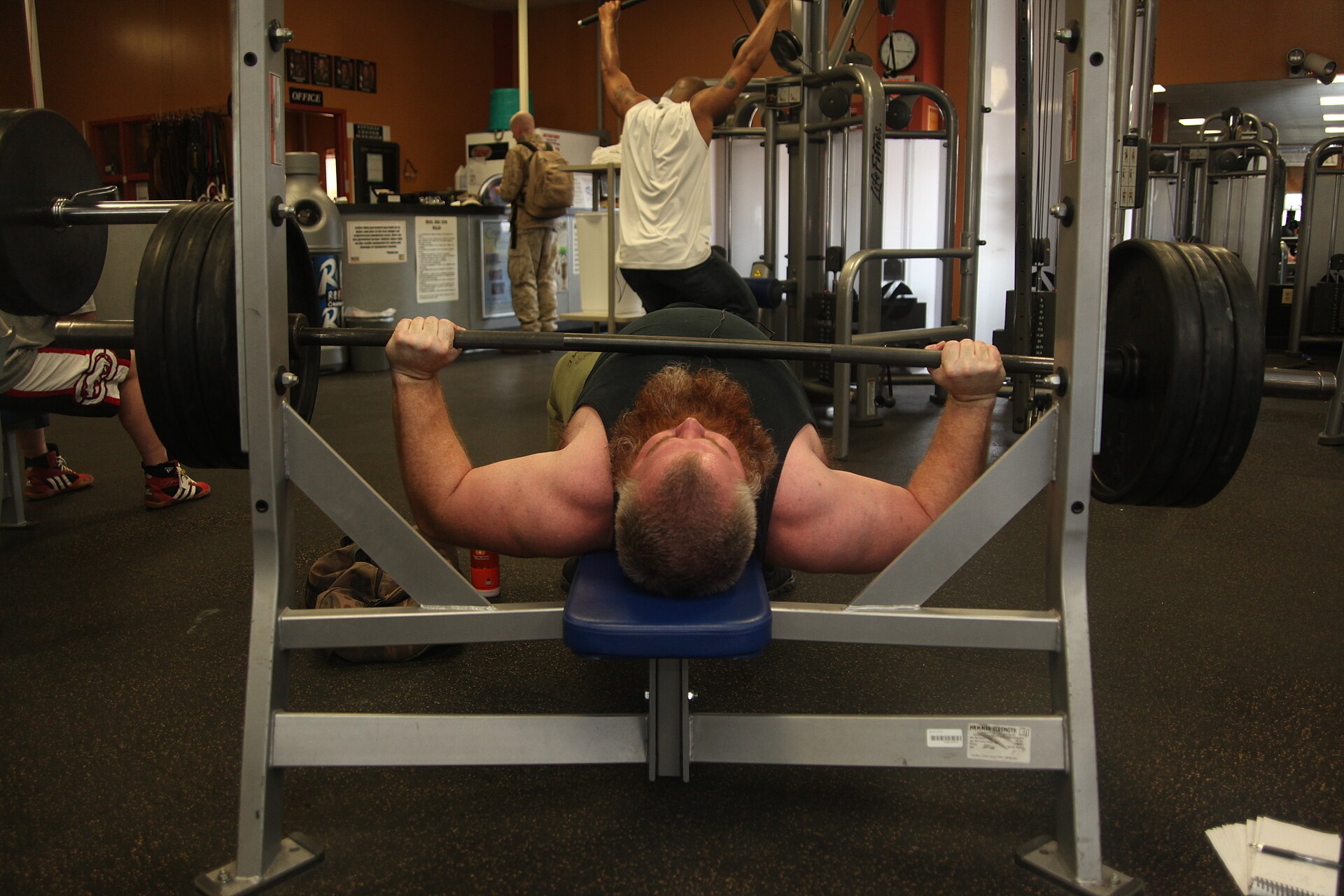
The fix: take the cold, keep the gains
You don’t have to give up the cold. Just stop using it straight after lifting. Use a short, measured plunge when soreness matters more than growth, like before a game or during a heavy competition week. For the daily habit, a cold shower is free and has its own trial behind it.
When cold helps and when it hurts
Match the cold to your goal
Based on Roberts 2015, Wang 2025 and Buijze 2016
A cold finish to your shower
The Dutch trial asked people to end their normal hot shower with 30, 60 or 90 seconds of cold, every day for 30 days. Start at 30 seconds. Free, no tub, no ice, no drowning risk.
Good to Go
Science journalist Christie Aschwanden tested the recovery industry, from ice baths to cryotherapy and compression, against the evidence. Her chapter on icing argues it may impair recovery rather than help it. Read it before you buy a plunge tub.
Find it on Amazon →Do this today
- 1. Finish today’s shower cold for 30 seconds, and build up to 90.
- 2. Move your ice bath off lifting days. After weights, cool down on a bike or with a walk.
- 3. If you plunge, measure it. 10–15 minutes at 11–15°C, entered slowly with someone nearby. If you have heart disease or high blood pressure, ask your doctor first.
If it’s heat you’re after instead, read what 20 years of Finnish sauna data found about your heart.
Go deeper
- What Doesn’t Kill Us by Scott Carney. A sceptical journalist sets out to debunk Wim Hof’s cold training and ends up trying it himself. Read it as the believer’s case.
What to make of it
If you lift to grow, the ice bath straight after is working against you. Cold does real things: less soreness, lower stress hours later, a sharp lift in the moment, maybe fewer sick days. But the evidence on muscle points one way, and the industry selling tubs rarely mentions it. Keep the cold, change the timing, and start with the shower.
Sources
- The Journal of Physiology (2015): Post-exercise cold water immersion attenuates acute anabolic signalling and long-term adaptations in muscle to strength training
- European Journal of Sport Science (2024): Throwing cold water on muscle growth, a systematic review with meta-analysis
- Frontiers in Physiology (2025): Impact of different doses of cold water immersion on recovery from exercise-induced muscle damage, a network meta-analysis
- PLOS One (2025): Effects of cold-water immersion on health and wellbeing, a systematic review and meta-analysis
- Biology (2023): Short-term head-out whole-body cold-water immersion facilitates positive affect
- PLOS One (2016): The effect of cold showering on health and work, a randomized controlled trial
- National Center for Cold Water Safety: Cold shock
Amazon links are affiliate links. As an Amazon Associate I earn from qualifying purchases.
This article is general information and analysis, not professional advice. Health research is evolving; follow the sources to form your own view and speak to a doctor about any health concern.