1/2of the Australian dollar’s buying power is gone since 2000. Every dollar sitting in cash keeps losing value, and the Reserve Bank’s own target says it always will.
Source: ABS Consumer Price Index, 2000 to June 2026
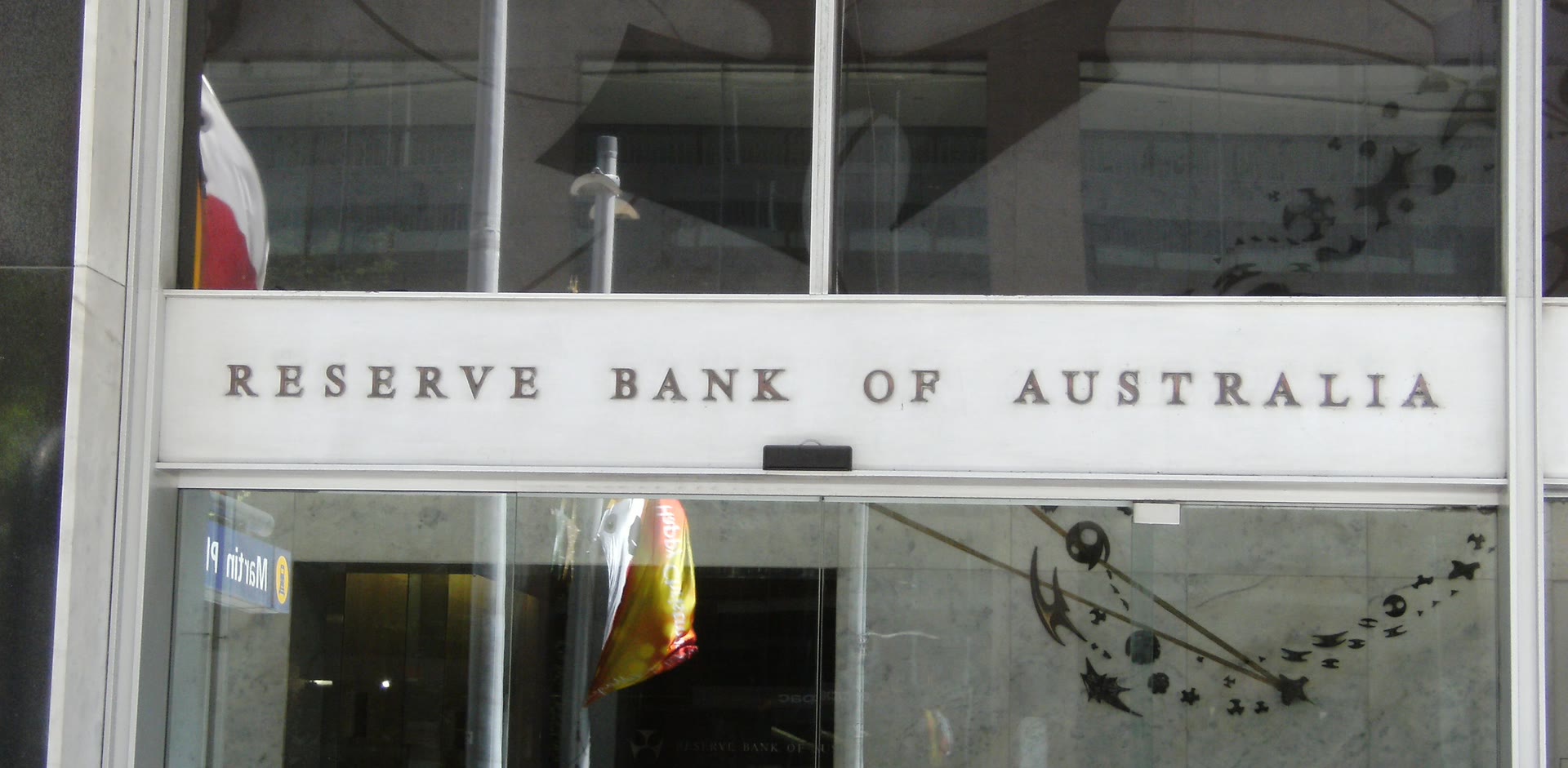
Your everyday account says $10,000. Transaction accounts pay 0% interest, so next year it will still say $10,000, and it will buy less. A$100 in 2000 buys what about A$206 buys now. That isn’t a policy failure. The Reserve Bank’s target is for prices to rise “2–3 per cent per annum”, every year. At 2.5%, prices double in about 28 years. The RBA’s case is that falling prices would be worse. Maybe, but it means cash is designed to lose. Inflation isn’t a glitch in the system. It’s the target.
How it works
How your money loses value
Four steps. The last one happens in your account.
Based on the RBA, RBA money supply data and the ABS
The Reserve Bank says it plainly: “Money creation primarily occurs via the extension of loans”. Each new mortgage creates new deposits. In the pandemic the RBA added its own: it bought $281 billion of government bonds between November 2020 and February 2022. Energy prices and supply shocks drove much of the 2022 spike, but credit and new money are a steady push behind prices, especially house prices.
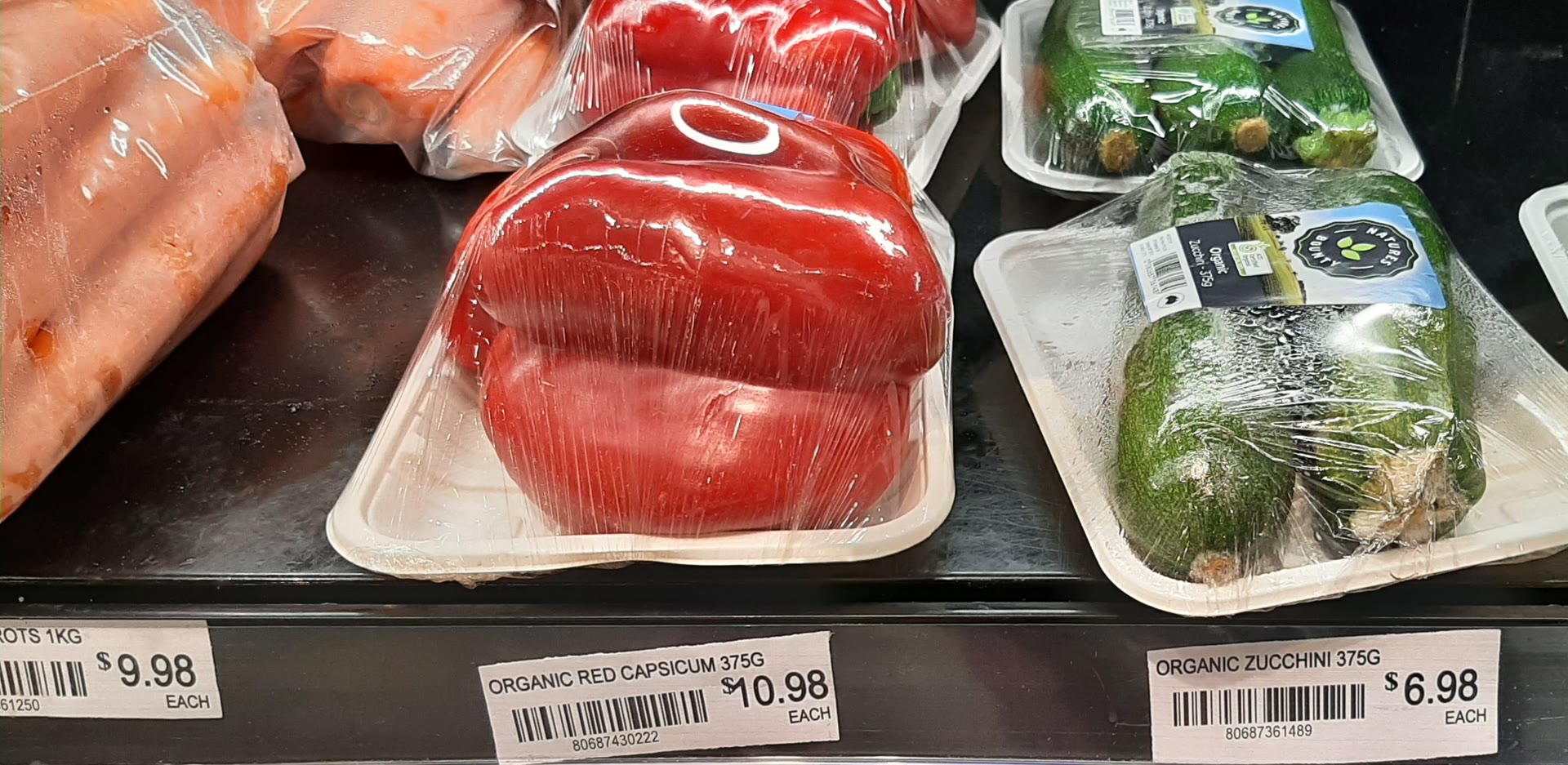
The proof is in their own numbers
- Prices have doubled since 2000. The ABS consumer price index went from 49.6 in 2000 to 102.3 in June 2026. Your dollar has lost about 1/2 its buying power.
- And it’s climbing again. Inflation hit 7.8% in 2022, the highest since 1990. It was back at 4.0% in the year to August 2026, and the RBA raised the cash rate to 4.60% on 30 September.
- Wages have barely kept up. Since 2000 wages rose about 2.2 times to prices’ 2.1. But Treasury said real wages fell “by around 3.5 per cent over 2021–22”. In the year to June 2026, wages rose 3.2% while prices rose 3.9%.
- Savers lose after tax. Bonus saver accounts average 4.80%. On the 30% tax bracket plus Medicare that’s 3.26%, below 4% inflation. And the $18,200 tax-free threshold hasn’t moved since 2012–13, so over time rising prices pull more of your income into tax.
Money is growing faster than anything you can buy
Australia’s broad money supply, M3, was A$420 billion in January 2000 and A$3.5 trillion in August 2026. Some of that tracks a bigger population and economy. But since January 2020 alone, M3 is up 61% while consumer prices rose 26%. Much of the extra money showed up in asset prices rather than grocery prices.
Growth since January 2000
How many times bigger each one is now
Gold and silver are Perth Mint spot prices, Jan 2000 to Oct 2026. January 2000 was near a 20-year low for gold: from its 1980 peak it lost ground to the dollar for 2 decades. Past performance is no guide to the future.
Sources: RBA table D3; ABS CPI; Perth Mint
Look at houses. The typical home now costs 8.2 times the typical income in late 2025, a record at the time, against a 20-year average of 6.8. Over 5 years, incomes rose 20% and home values rose 53.5%. If you own assets, new money lifts you. If you hold cash, it leaves you behind.
The fix: hold some money nobody can print
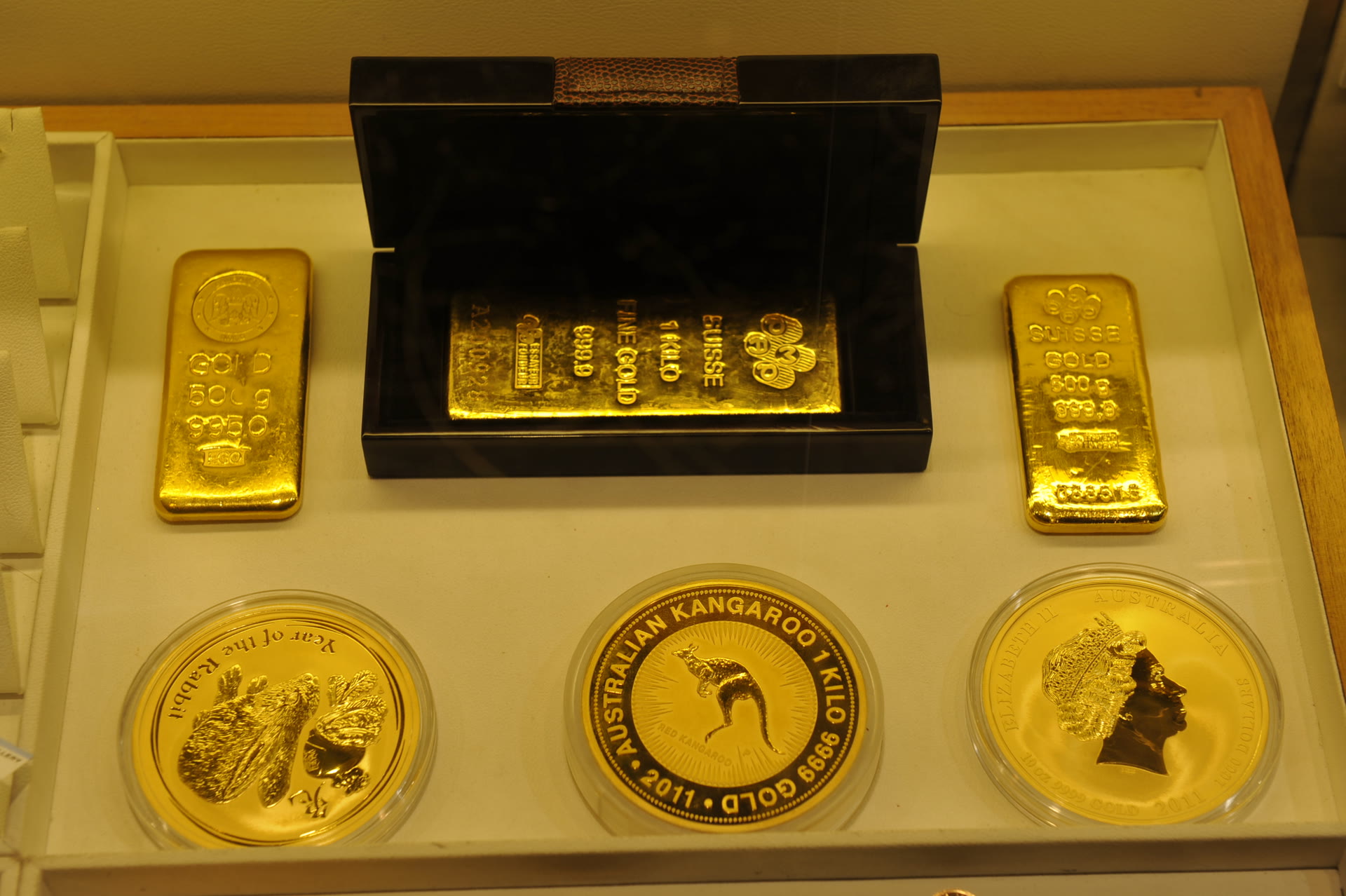
No bank can create gold or silver by making a loan. In Australian dollars, gold went from A$434 an ounce in January 2000 to about A$5,920 now. Central banks bought more than 1,000 tonnes a year from 2022 to 2024, and 89% of reserve managers expect them to keep adding, mainly as a crisis hedge, says the industry’s World Gold Council.
But gold is no savings account. It pays no income, it fell 29% in A$ between 2011 and 2013, and it’s about 23% below its January 2026 record. If you have a mortgage, an offset account saves you the loan rate tax-free, and inflation-linked bonds and shares are other hedges. Gold’s job is different: no lender can create it. A slice, not everything.
What each fix does
All three are things no lender can create more of.
Sources: ATO; Perth Mint
Physical gold
Investment gold of at least 99.5% purity carries no GST. Bigger pieces cost less over the metal price: on one dealer’s prices on 4 October, a 1oz Perth Mint bar was about 3% over spot and a 1g bar 13–18% over. You also sell back below spot, so allow for that, plus a safe or insurance. The WA Government-owned Perth Mint isn’t spotless: in 2023 it faced claims it “doped” bars sold to China, which it says still met purity rules. Keep the receipt and assay card.
See the Perth Mint price →Physical silver
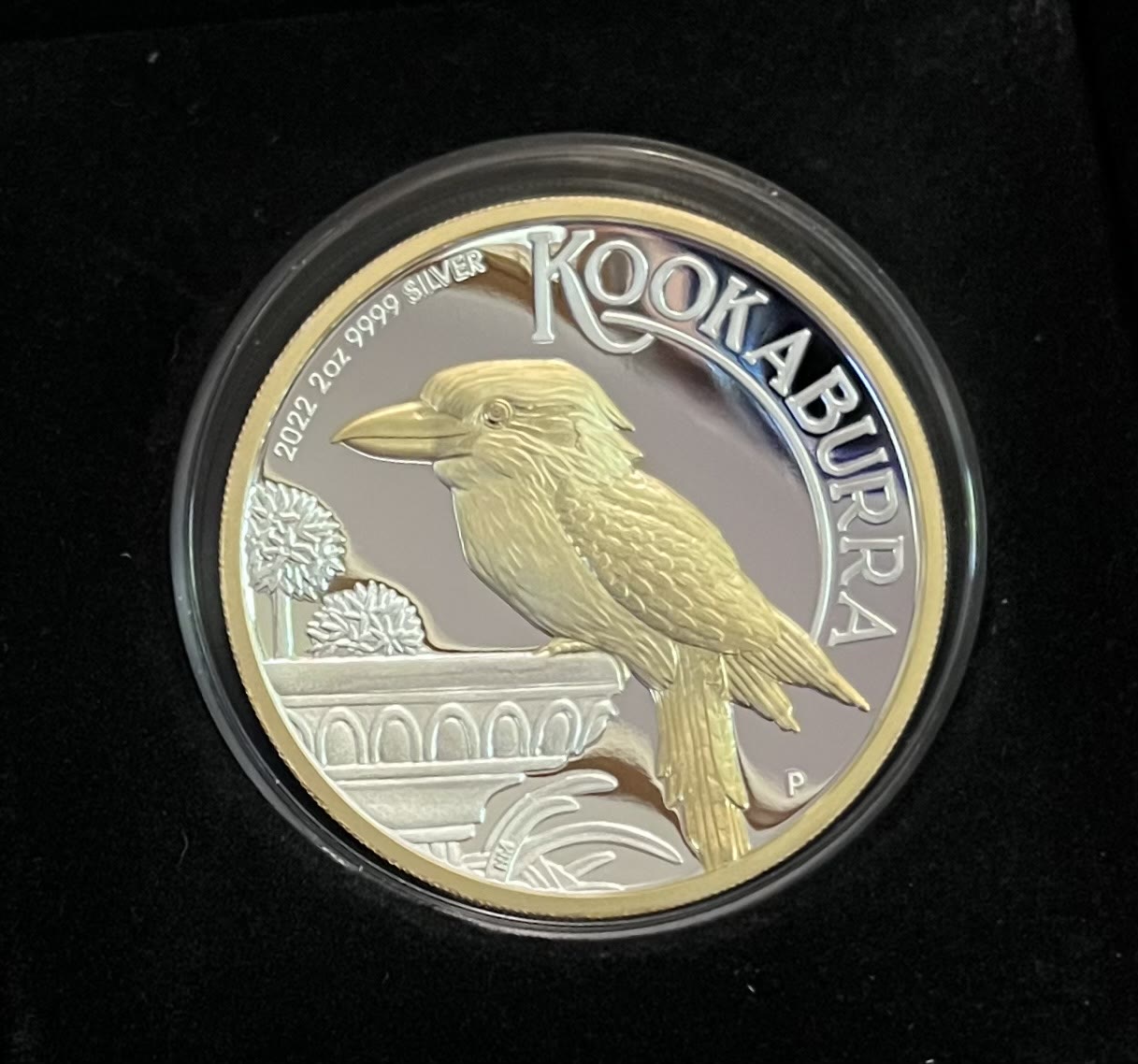
Silver went from A$8.10 an ounce in 2000 to about A$85, and carries no GST at 99.9% purity. It swings far harder than gold: it fell 60% in A$ from 2011 to 2014. Premiums matter more too. A 1kg bar sells for about 8% over spot, a 1oz Kangaroo coin about 11%, and 1/10oz rounds up to 44%. The gap when you sell back is wider for silver too. If you buy, the biggest bar you can store costs least.
Track the silver price →Perth Mint Gold (ASX: PMGOLD)
Gold you buy like a share, with no safe needed. The metal is “guaranteed by the Government of Western Australia”, the fee is 0.15% a year, and you can convert to physical gold from 1oz (fees apply). The guarantee covers the metal, not its price. One unit is roughly 1/100 of an ounce.
Read the fact sheet →Do this today
- 1. Set a price alert. If you’re thinking of buying, use the gold and silver tracker to get an email when the price drops to where you want to buy.
- 2. Weigh it against your own situation first. Emergency savings and high-interest debt come before metal. If you go ahead, one 1oz gold bar or 1kg silver bar beats a handful of small coins on price.
- 3. Keep the receipt. Gold and silver are taxed as capital gains when you sell. The 50% discount applies after 12 months for now. The 2026–27 Budget proposes replacing it from July 2027 with inflation indexing and a 30% minimum tax on gains. It isn’t law yet, but it could raise the tax on a big gold gain.
For how the money gets created in the first place, read how banks create money every time they lend.
Go deeper
- When Money Dies by Adam Fergusson. What happened to savers when Weimar Germany printed its currency to nothing.
- The Price of Time by Edward Chancellor. How cheap money inflates asset prices and punishes savers.
What to make of it
Your money isn’t losing value by accident. It’s losing value on target. Cash pays that target, and in years like this one most savings accounts don’t keep up after tax. Gold and silver aren’t magic: they fall hard and pay nothing. But since 2000 they have outrun the dollar many times over. If you want protection, consider keeping a slice of your savings in something nobody can print.
Sources
- ABS (2026): Consumer Price Index, Australia, August 2026
- Reserve Bank of Australia: About monetary policy
- RBA Bulletin (2018): Money in the Australian economy
- RBA (2026): Statistical table D3, Monetary aggregates
- RBA (2022): Review of the Bond Purchase Program
- ABS (2026): Consumer Price Index, Table 17, series A2325846C
- ABS (2023): Consumer Price Index, Australia, December quarter 2022
- RBA (2026): Cash rate target
- Australian Treasury (2022): Budget Paper No. 1, Statement 2, October 2022–23
- ABS (2026): Wage Price Index, Australia, June 2026
- RBA (2026): Statistical table F4, Retail deposit and investment rates
- ATO (2026): Tax rates, Australian residents
- Perth Mint: Historical metal prices
- Cotality (2025): Housing Affordability Report, November 2025
- World Gold Council (2025): Global gold demand hits new high as prices soar in 2024
- World Gold Council (2026): Central Bank Gold Reserves Survey 2026
- Ainslie Bullion (2026): Gold is off its highs, what that means for Australian investors
- ATO: GST ruling GSTR 2003/10, precious metals
- Perth Mint (2026): Perth Mint Gold (ASX: PMGOLD) fact sheet
- Ainslie Bullion: Live bullion prices (4 Oct 2026)
- Perth Mint: Metal prices (3 Oct 2026)
- ATO (2026): CGT discount
- EY (2026): Australian Budget 2026–27 capital gains tax changes
- RBA: Explainer, Australia’s inflation target
- Moneysmart: Mortgage offset accounts
- Perth Mint (2023): Response to ABC TV allegations
Amazon links are affiliate links. As an Amazon Associate I earn from qualifying purchases.
This article is general information only, not financial advice. It doesn’t consider your situation. Gold and silver prices can fall sharply. Consider talking to a licensed adviser before you invest.