4 in 5Australians don’t eat enough of the omega-3s found in fish. You’re probably short on the fat that matters while the internet argues about seed oils.
Source: Meyer, Nutrients (2016)
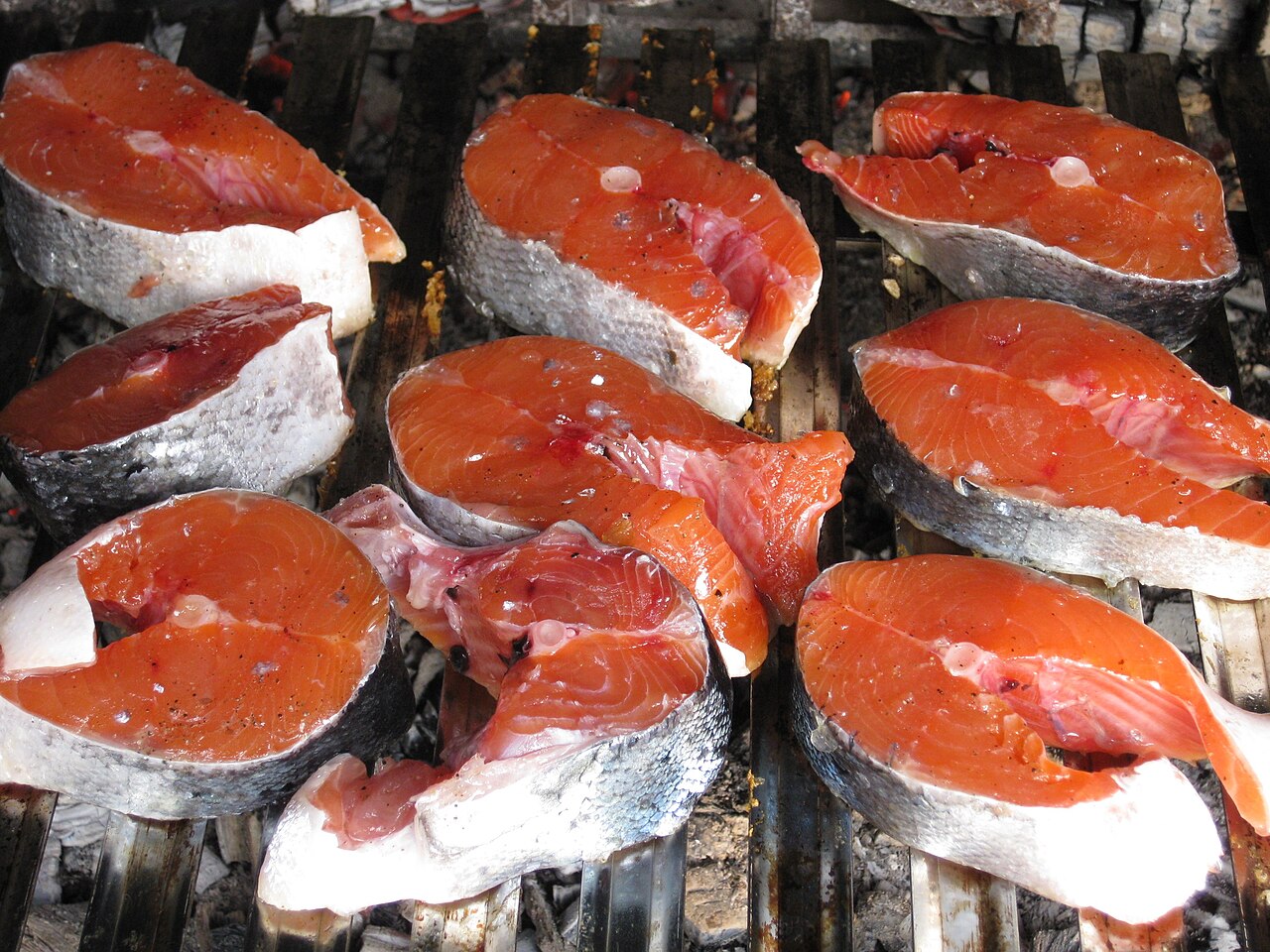
You’ve probably heard that seed oils are wrecking your health, or that your omega-6 to omega-3 ratio is 15 to 1 and that’s the problem. The ratio makes a good headline. Australia’s own nutrition survey points somewhere simpler: most of you aren’t eating the omega-3s found in fish. Your gap is omega-3, not omega-6.
How it works
Omega-6 and omega-3 are both essential fats, so both must come from food. The trouble is the omega-3 step. Tracer studies show plant omega-3 becomes EPA only to a limited degree in men, and conversion onward to DHA is very low. Women convert more, possibly because of oestrogen.
Where your omega-3 comes from
Your body can’t make it from scratch. The plant route barely works.
Based on Burdge & Calder (2005) and the Linus Pauling Institute
What the ratio scare gets wrong
- The ratio theory sounds precise. Researcher Artemis Simopoulos argued humans evolved on omega-6 and omega-3 at about 1 to 1, against 15 to 1 or more in Western diets, and that the high ratio drives disease.
- Its critics say it measures the wrong thing. Omega-3 researcher William Harris says the ratio has “theoretical and practical difficulties”. The real shortfall, he says, is EPA and DHA.
- Official reassurance on omega-6 has a hole in it. The American Heart Association said in 2009 that getting 5% to 10% of energy from omega-6 lowers heart disease risk. Yet in a Sydney trial from 1966–73, 458 men with heart disease told to swap saturated fat for safflower oil died at 17.6% against 11.8% for controls. The authors note trans fats may have shifted too. Cochrane’s 2018 review of 19 trials (6,461 people) found more omega-6 made little or no difference to deaths. No proven harm, no proven benefit: the case isn’t closed.
- The omega-3 gap is measured, not theorised. In the 2011–12 national survey, 80% of Australians missed the recommended intake of fish omega-3s: the NHMRC target of 430 mg a day for women and 610 mg for men. That bar is set high on purpose, at the top 10% of 1995 intakes. But the typical adult got just 126 mg a day from food, about half the Heart Foundation’s 250 mg minimum.

Flaxseed won’t cover it
The popular workaround is plant omega-3: flax, chia, walnuts. They’re good food. But the body converts very little of them into the forms it uses, and men convert least.
How much plant omega-3 your body converts
Share of dietary ALA turned into EPA and DHA
For every 100 g of ALA a young man eats, at most about 4 g ends up as DHA.
That’s why the Heart Foundation calls fish the best dietary source of omega-3s. Its review found higher fish intake was consistently linked with lower rates of heart failure, sudden cardiac death and stroke. Even women of childbearing age, who convert best, mostly fall short: only 10% eat the 200 mg of DHA a day recommended for pregnancy and breastfeeding.
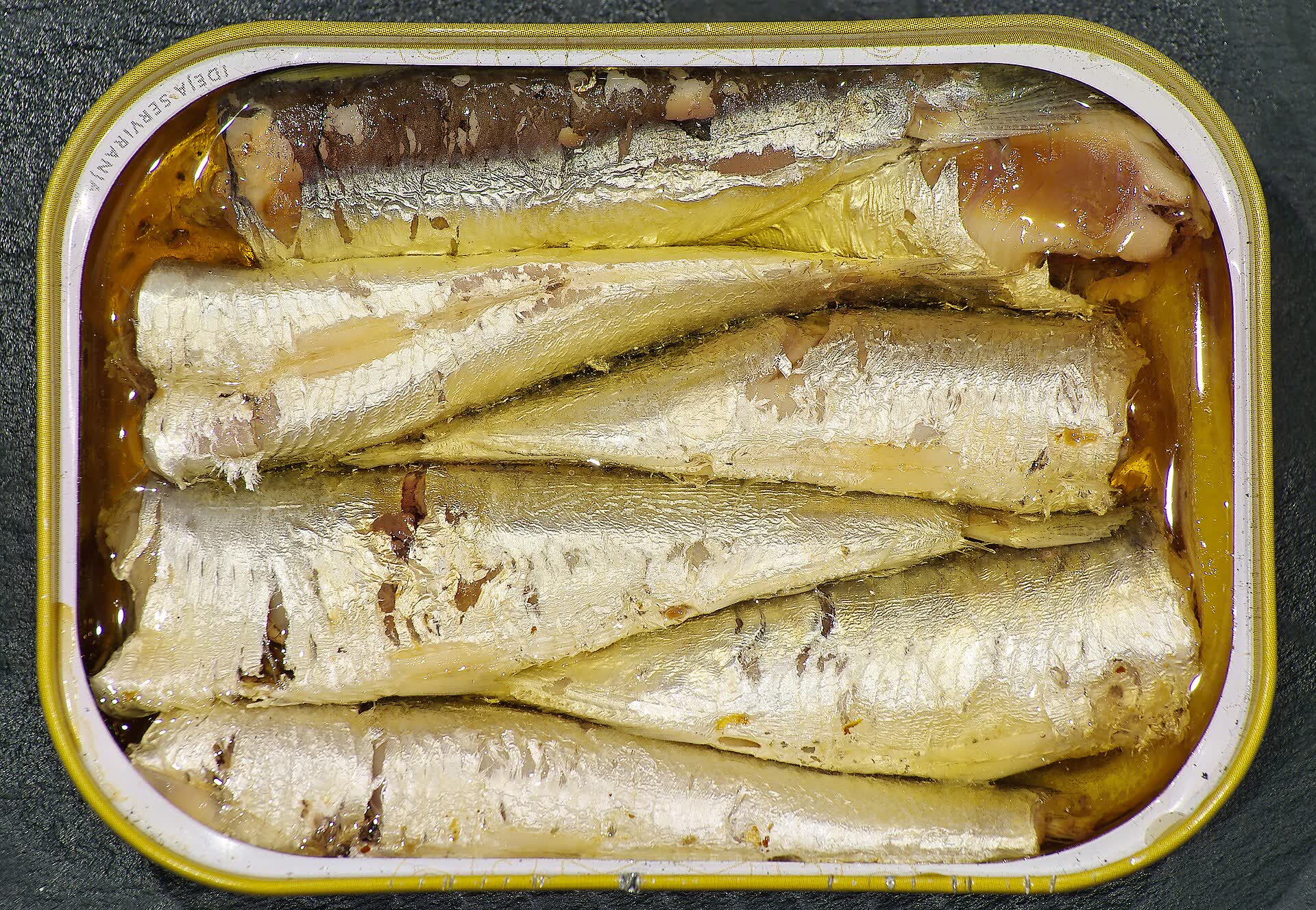
The fix: eat the omega-3 your body can’t make
Stop counting omega-6 and start counting fish. The Heart Foundation says 2–3 serves of fish a week, including oily fish, gives around 250–500 mg of EPA and DHA a day, plus 1 g of plant omega-3 a day. If you don’t eat fish, a supplement is the way to get EPA and DHA ready-made.
Be clear about what a capsule does and doesn’t do. The same Heart Foundation review found that in people without heart disease, omega-3 supplements did not show a clear benefit for heart risk. Fish did. So eat the fish first, and use a supplement only to cover the gap when fish isn’t on your plate.
What each fix does
Skip the conversion step. Eat EPA and DHA directly.
Sources: Heart Foundation; NCCIH
Canned sardines, salmon and mackerel
The cheapest fix sits in the tinned fish aisle. The Heart Foundation lists salmon, blue mackerel, herring, canned sardines and canned salmon among the richest sources. If you’re pregnant or planning to be, Food Standards Australia New Zealand says to limit shark (flake), billfish, orange roughy and catfish because of mercury. Most other fish is fine 2–3 times a week.
Check the mercury guide →An algae or fish oil supplement
The Heart Foundation says supplements give people who don’t eat fish some level of marine omega-3s. Algae oil is the vegetarian option: a source of DHA, and some contain EPA. Choose by the EPA and DHA per capsule on the label, not the total oil. Side effects are usually mild, such as a fishy taste or heartburn. Tell your doctor about any supplement you take.
Read the supplement facts →Do this today
- 1. Put oily fish on the menu twice this week. A tin of sardines or salmon counts. Check the mercury guide if you’re pregnant.
- 2. Add 1 g of plant omega-3 a day from walnuts, chia, flax or canola oil, as a top-up.
- 3. If you eat no fish, add algae oil and read the EPA and DHA dose on the label.
Fat quality starts on the farm too. Read grass-fed vs grain-fed beef for how feed changes the omega-3 in meat.
Go deeper
- The Queen of Fats by Susan Allport. Why omega-3s were removed from the Western diet, and what you can do to replace them.
What to make of it
The seed-oil fight keeps you staring at the wrong fat. Whether omega-6 is harmless or not, the experts on both sides agree on one thing: you need EPA and DHA, and most Australians aren’t getting enough. That gap is measured in your own country’s survey, and it’s cheap to close. Buy the tin of sardines.
Sources
- Meyer, Nutrients (2016): Australians are not meeting the recommended intakes for omega-3 long chain polyunsaturated fatty acids
- Burdge & Calder, Reproduction Nutrition Development (2005): Conversion of alpha-linolenic acid to longer-chain polyunsaturated fatty acids in human adults
- Linus Pauling Institute: Essential fatty acids
- Simopoulos, Biomedicine & Pharmacotherapy (2002): The importance of the ratio of omega-6/omega-3 essential fatty acids
- Harris, Prostaglandins, Leukotrienes and Essential Fatty Acids (2018): The omega-6:omega-3 ratio, a critical appraisal and possible successor
- Hooper et al., Cochrane Database of Systematic Reviews (2018): Omega-6 fats for the primary and secondary prevention of cardiovascular disease
- Harris et al., Circulation (2009): Omega-6 fatty acids and risk for cardiovascular disease, an American Heart Association science advisory
- Ramsden et al., BMJ (2013): Use of dietary linoleic acid for secondary prevention of coronary heart disease and death, recovered data from the Sydney Diet Heart Study
- Heart Foundation: Fish and omega-3, questions and answers
- Food Standards Australia New Zealand: Mercury in fish
- US National Center for Complementary and Integrative Health: Omega-3 supplements, what you need to know
Amazon links are affiliate links. As an Amazon Associate I earn from qualifying purchases.
This article is general information and analysis, not medical advice. Health research is evolving; follow the sources to form your own view and speak to your doctor about any health concern.