1 weekfor a big enough quantum computer to crack today’s encryption. Spy agencies are already stockpiling your encrypted data.
Source: Google Security Blog (2025)
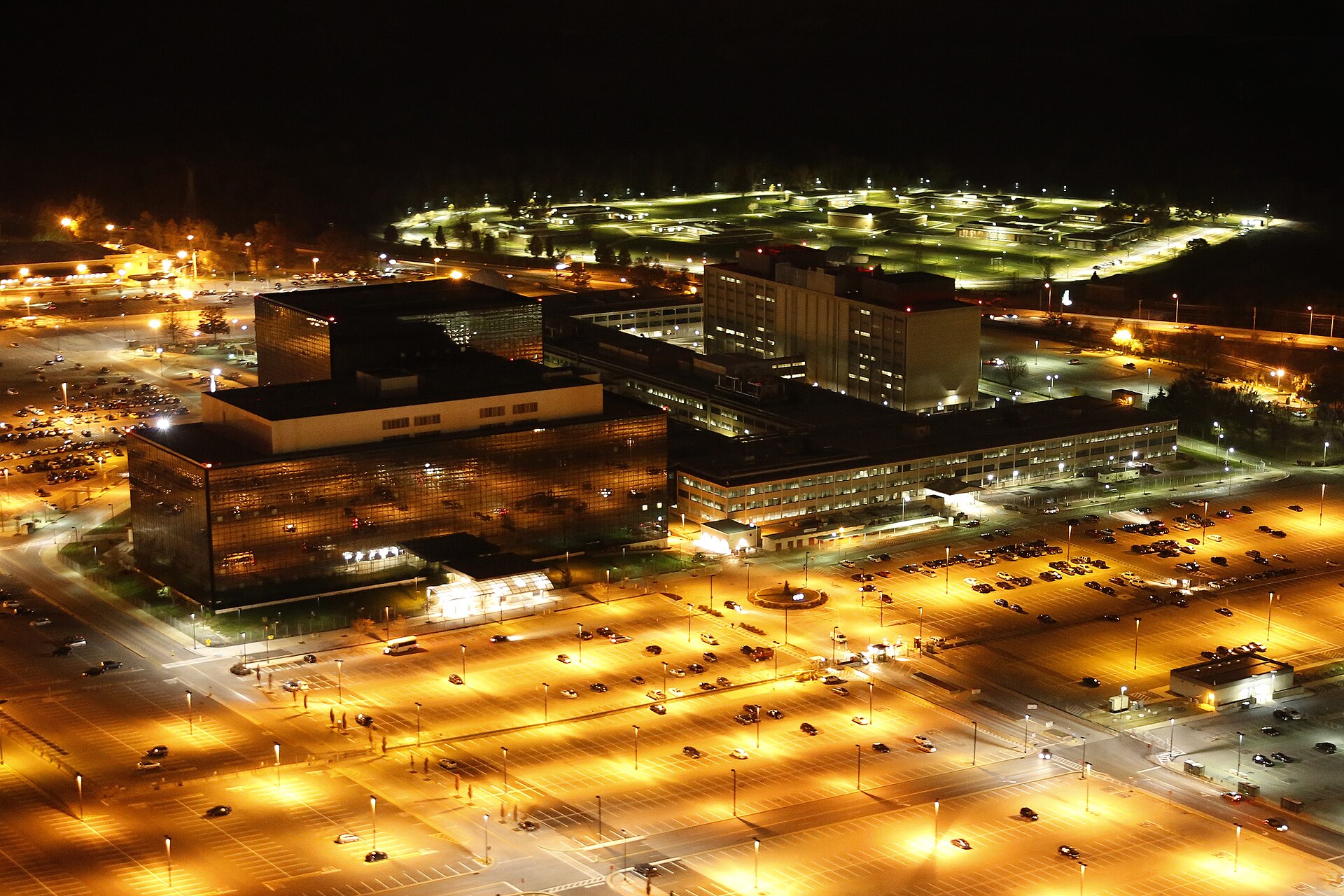
Your messages, your banking, your medical records and your emails are all encrypted. Today, nobody can read them. But nobody needs to read them today. They only need to copy them, store them, and wait for a computer powerful enough to unlock them. It’s called harvest now, decrypt later, and the evidence says it is already happening to you.
How it works
Harvest now, decrypt later
Four steps. The first three are happening now.
Based on Google and the UK National Cyber Security Centre
Google’s own security team puts it plainly: “an adversary can collect ciphertexts, and later decrypt them once a quantum computer is available.” Anything that still matters in ten years is a target: health records, finances, legal files, private messages, who you talk to and what you say.
This is already happening
- The NSA keeps what it can’t read. Its own rules, leaked by Edward Snowden, let it keep Americans’ communications it collected “inadvertently” if they were encrypted. Encryption wasn’t a reason to delete your data. It was a reason to keep it.
- It taps the cables. Leaked files showed the NSA spending $250 million a year on a programme against encryption. A breakthrough in 2010 made “vast amounts” of data collected through internet cable taps newly readable.
- China’s state telecom has rerouted the internet through itself. For 18 minutes in 2010, state-owned China Telecom pulled traffic to about 15% of the internet’s destinations through Chinese servers, including US Senate, military and NASA sites. A report to the US Congress couldn’t say whether it was deliberate, or what was done with the data.
- Chinese hackers got inside the phone networks. In 2024 the “Salt Typhoon” hackers broke into AT&T, Verizon and Lumen, reaching call records and the live calls of targeted people. US officials told Americans “encryption is your friend” and said it was impossible to predict when the hackers would be fully removed.
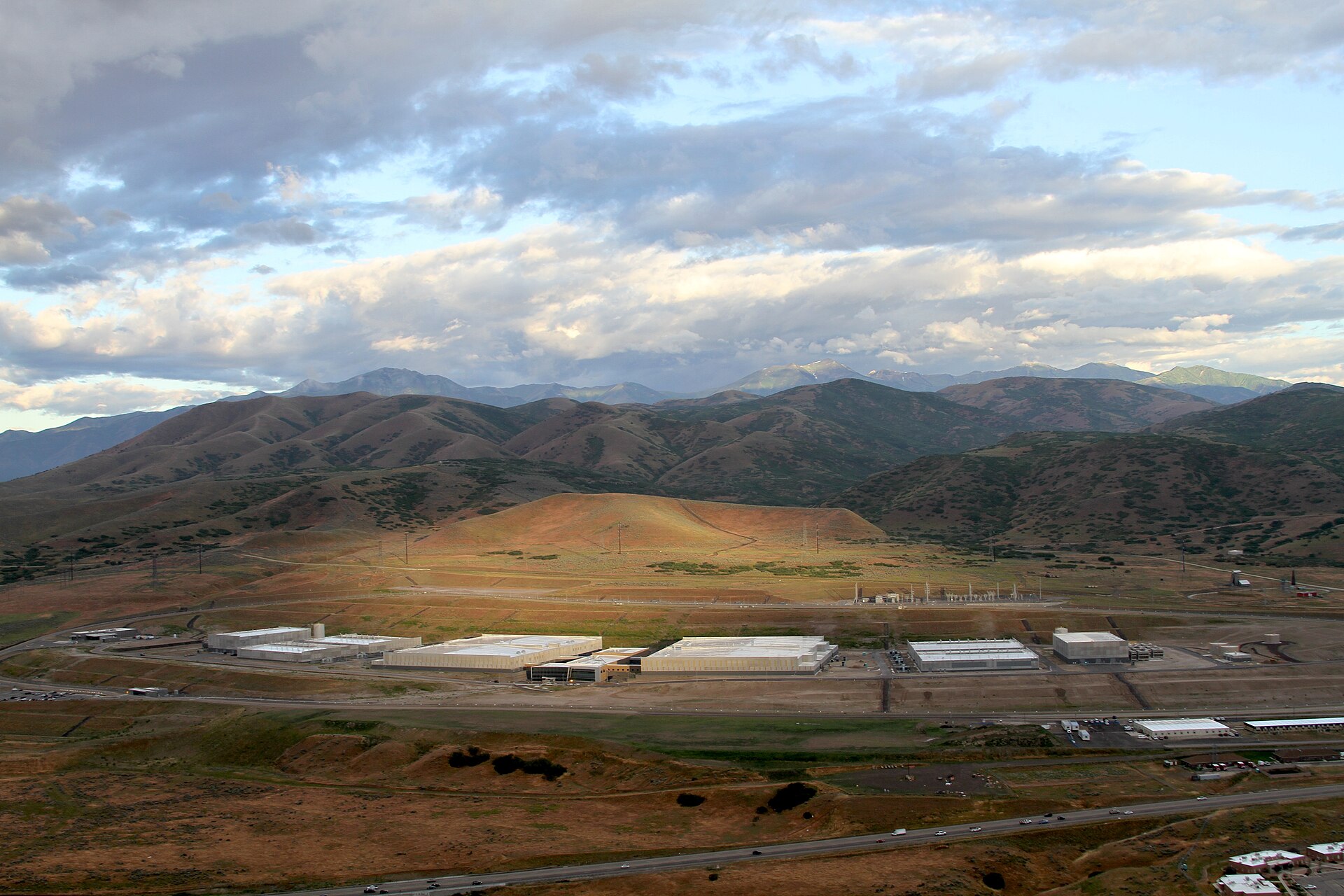
The clock is running faster than anyone said
In 2019, Google estimated that breaking 2048-bit RSA, one of the main locks on internet traffic, would take a quantum computer with around 20 million qubits. In 2025 it cut that to 1 million qubits running for one week. Same lock, 20 times fewer qubits, in six years. Today’s best machines have only 100 to 1,000 high-quality qubits, but the gap is closing from both ends: the machines grow while the job shrinks.
Qubits needed to break 2048-bit RSA
Google’s own estimates
Same target, 20 times fewer qubits, in six years.
Source: Google Security Blog (2025)
Governments are acting like they believe it. The US standards body NIST’s draft plan says vulnerable encryption should be phased out after 2030 and banned after 2035. The UK has told every organisation to finish switching to post-quantum encryption by 2035. Nobody sets a deadline for science fiction. And everything sent before the switch is already out there.
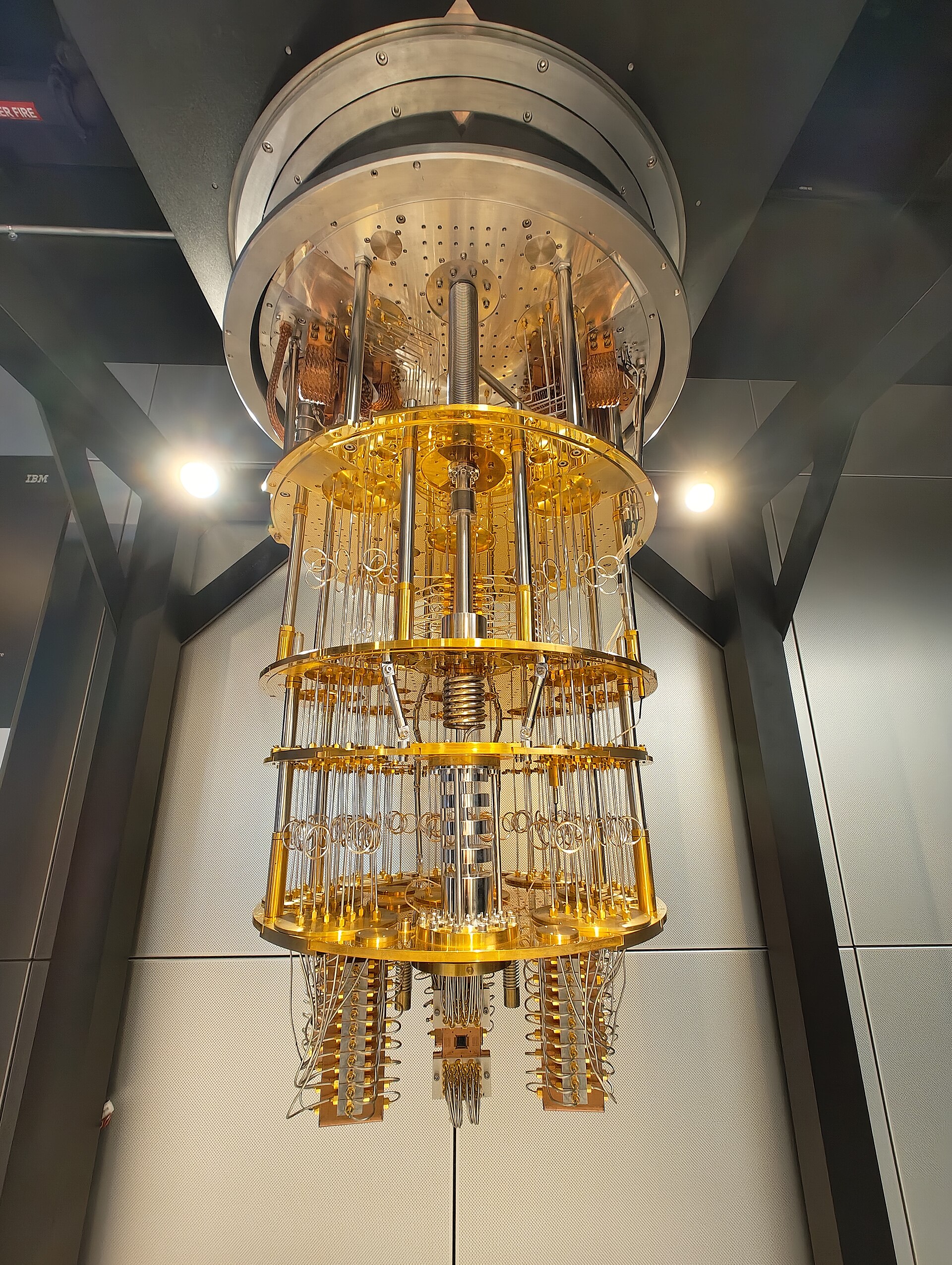
The fix: make what they collect worthless
You can’t stop anyone copying traffic as it crosses the internet. You can make sure what they copy stays locked even against a quantum computer. Right now that means three things: a VPN with quantum-resistant encryption for everything leaving your device, email with post-quantum encryption for the messages that sit on servers for years, and a messaging app that is end-to-end encrypted and quantum-resistant. After Salt Typhoon, the FBI and CISA told Americans to use encrypted apps.
What each fix protects
The harvest happens in the middle. That’s where the lock has to be quantum-proof.
Mullvad VPN
Mullvad already offers quantum-resistant tunnels, using post-quantum algorithms (ML-KEM and Classic McEliece) on top of standard encryption. It doesn’t ask for your email or any personal details, accepts cash, doesn’t log your activity, and is externally audited. One flat price: €5 a month, about A$8. It’s on by default in the desktop apps. On your phone, check Quantum-resistant tunnel is on in Settings → VPN settings → WireGuard settings.
Get Mullvad →
Proton Mail
Email sits on servers for years, which makes it the perfect thing to harvest. Proton added post-quantum encryption to Proton Mail in May 2026, on all plans, and co-wrote the open standard so it works with other providers too. Swiss and ad-free. One catch: mail to an ordinary Gmail or Outlook address is only encrypted in transit, unless you send it password-protected. Switch on post-quantum protection under Settings → Encryption and keys and new emails get quantum-resistant keys. Try Proton free for 14 days & get US$20 in credits.
Get Proton Mail →Signal
After Chinese hackers got inside AT&T and Verizon, the FBI and CISA told Americans to switch to encrypted messaging apps. Signal is the one to pick. Every chat is end-to-end encrypted by default, and it’s quantum-resistant: Signal added post-quantum keys in 2023 specifically to stop harvest now, decrypt later, and in October 2025 extended that protection to the rest of the conversation. Free, non-profit, no ads. On an iPhone, iMessage between Apple devices is also post-quantum since Apple’s PQ3 upgrade; plain SMS texts are not encrypted at all.
Get Signal →Do this today
- 1. Install Mullvad and switch on the quantum-resistant tunnel. Leave it on, on your phone too.
- 2. Move your email to Proton Mail and switch on post-quantum encryption. Start with anything medical, legal or financial.
- 3. Move your private chats to Signal. Stop using plain text messages for anything private. That was the FBI and CISA’s own advice after Salt Typhoon: use an end-to-end encrypted app.
For more on who collects your data in the first place, read what Big Tech actually knows about you.
Go deeper
- This Is How They Tell Me the World Ends by Nicole Perlroth. The inside story of the government market for breaking into your devices.
- Permanent Record by Edward Snowden. The man who leaked the NSA’s files, on how mass collection really works.
What to make of it
Nobody can tell you the exact year your old messages get unlocked. That uncertainty is exactly why harvest now, decrypt later works: the people collecting don’t need a date, only patience. The estimates keep falling, the deadlines are set, and the cables are already tapped. Whatever you send today with yesterday’s encryption, assume it will one day be read. Then make sure tomorrow’s messages can’t be.
Sources
- Google Security Blog (2025): Tracking the cost of quantum factoring
- The Guardian (2013): The top secret rules that allow NSA to use US data without a warrant
- The Guardian (2013): Revealed: how US and UK spy agencies defeat internet privacy and security
- US-China Economic and Security Review Commission: 2010 Report to Congress
- NBC News (2024): U.S. officials urge Americans to use encrypted apps amid unprecedented cyberattack
- UK National Cyber Security Centre: Timelines for migration to post-quantum cryptography
- NIST (2024): IR 8547 initial public draft, Transition to Post-Quantum Cryptography Standards
- Mullvad: Quantum-resistant tunnels with WireGuard
- Mullvad (2025): Quantum-resistant tunnels are now the default on desktop
- Mullvad: Why Mullvad VPN?
- Mullvad: Pricing
- Proton: What is post-quantum cryptography?
- Proton: Proton Mail encryption explained
- Proton: Post-quantum protection in Proton Mail
- Signal (2023): Quantum resistance and the Signal Protocol
- Signal (2025): Signal Protocol and post-quantum ratchets
- Apple Security Research (2024): iMessage with PQ3
- Telegram FAQ: Why not just make all chats ‘secret’?
Proton and Amazon links are affiliate links. As an Amazon Associate I earn from qualifying purchases.
This article is general information and analysis. Follow the sources to form your own view.