50,800Americans die each year from the drug-resistant and antibiotic-linked germs in the CDC’s new threats report. Australia uses antibiotics heavily, and the most dangerous resistant germs are rising in our hospitals too.
Source: CDC Antimicrobial Resistance Threats Report (2026)
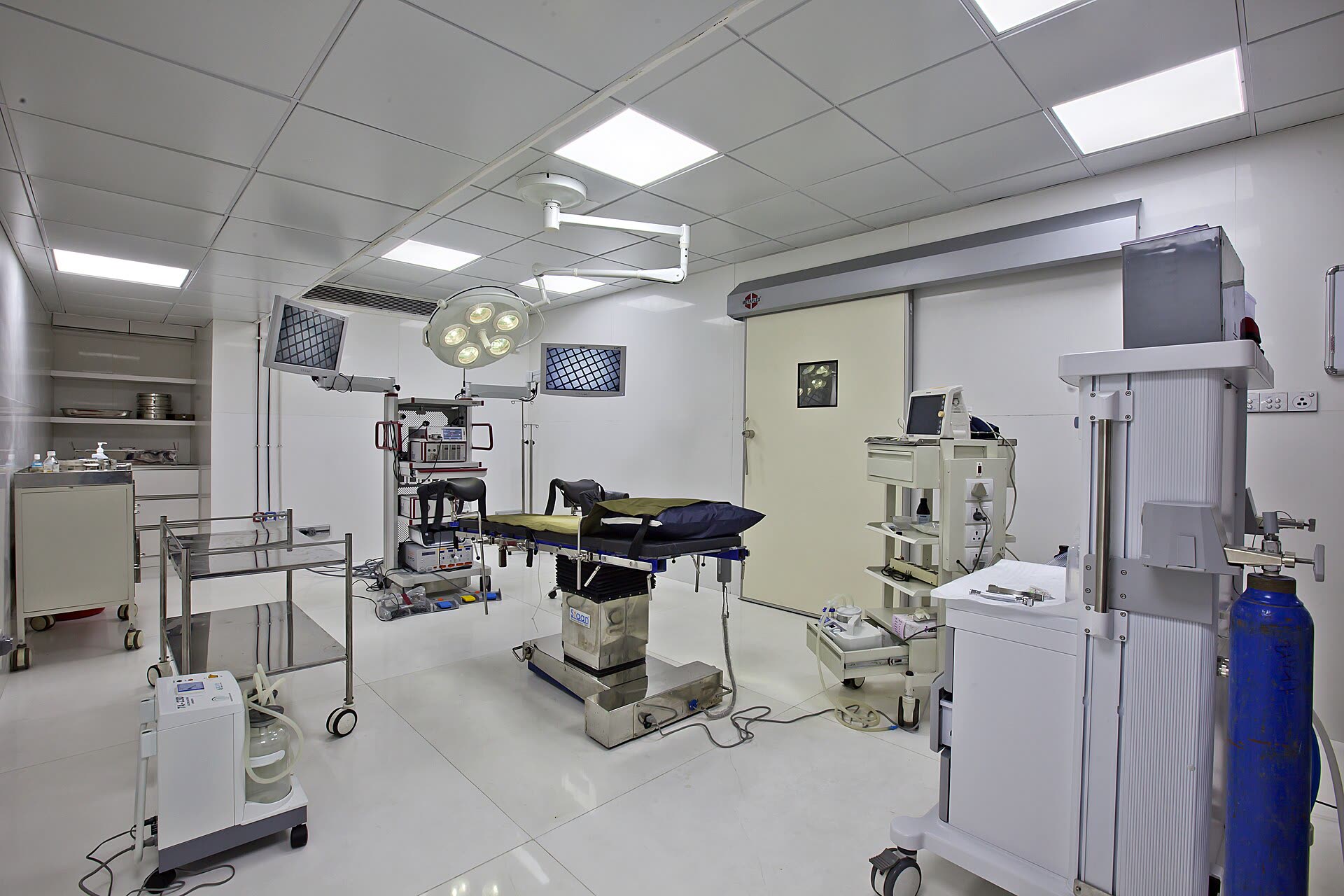
Hip replacements, caesareans and chemotherapy all lean on one thing: antibiotics that work. The US Centers for Disease Control and Prevention’s new threats report says 19 drug-resistant and antibiotic-linked germs now cause 9.7 million infections and 50,800 deaths in the US every year. One of them, a fungus called Candida auris, rose nearly 10-fold in 4 years. The medicines you count on for an ordinary infection are quietly losing.
How it works
How a germ beats the drug
Four steps. Every unneeded course speeds it up.
Based on the CDC report and the Australian Commission on Safety and Quality in Health Care
Resistance is evolution on fast-forward. Every time an antibiotic is taken, the germs it can’t kill get a clear field. Taking antibiotics for a cold, which is caused by a virus, adds that pressure without any benefit to you. The 2023 national report found respiratory infections, usually viral, still get more antibiotics than expected.
What the CDC found
- A fungus is spreading fast. Candida auris, which spreads in hospitals and nursing homes and resists many drugs, hit 4,523 clinical cases in 2023, up more than 50% in a year and nearly 10-fold since 2019. Another 9,270 cases were found by screening, more than double the clinical count. Part of the rise reflects more states testing and reporting.
- “Nightmare bacteria” are on the urgent list. Carbapenem-resistant Enterobacterales, which shrug off one of the last-line antibiotics, caused 14,878 cases and 1,252 deaths among hospital patients in 2023.
- Older people are hit hardest. C. diff, a gut infection that usually isn’t resistant itself but is triggered by antibiotic use, caused 412,504 cases and 11,339 deaths among US hospital patients in 2023. People 65 and over had rates 4.5 to 5 times higher than younger adults.
- Even gonorrhoea is getting harder to treat. The CDC estimates 787,000 drug-resistant gonorrhoea infections a year.

It isn’t just an American problem
Australia’s health safety commission says “hundreds of people die” here each year from resistant infections. The newest national report, released in February 2026, found reports of critical antibiotic resistance rose 25.2% in 2024, with CPE, the most dangerous group within the CDC’s “nightmare bacteria”, rising between 2022 and 2024. The previous report, in 2023, found Australian hospitals use antimicrobials at rates “substantially higher than in comparable European countries and Canada.”
Candida auris in the US
Clinical cases a year
2019 is approximate, worked back from the CDC’s “nearly tenfold since 2019”. 2022 from CDC tracking data via Becker’s.
Source: CDC report, via FOX 5 (2026)
In 2024, 23.2 million antibiotic scripts were supplied on the PBS, reaching 37.1% of Australians, up 4.8% on 2023. Overall use is still almost 21% lower than a decade ago, and not all of it is wasteful. But every unnecessary script feeds the problem, and the people who pay are the ones who later need a drug that still works: older people, cancer patients, and anyone having surgery.
The fix: keep the drugs working for when you need them
You can’t control what happens in a US hospital. You can make sure your own household isn’t adding to the problem, and that you’re less likely to need antibiotics at all.
What each fix does
Each one cuts the pressure that breeds resistance.
Sources: healthdirect; ACSQHC
Ask before you take it
Antibiotics don’t work on viruses such as colds and flu, healthdirect notes. Ask your doctor: is this infection bacterial? What happens if I wait a few days? Is there a narrower antibiotic? A good GP will welcome the question. Never pressure a doctor for a script “just in case”.
When antibiotics help →Use them right, return the rest
Take antibiotics exactly as prescribed, never share them, and never save leftovers for next time. Take any unused medicine to a pharmacy: the free Return Unwanted Medicines program disposes of it safely instead of it ending up in the bin or waterways.
Read the advice →Vaccines and clean hands
An infection you never catch is an antibiotic you never take. Keep your family’s vaccines up to date, including flu and, for older people, pneumococcal vaccine. Wash hands with soap after the toilet and before food, and clean them every time you visit someone in hospital or aged care.
Antibiotics advice →Do this today
- 1. Next time you’re offered antibiotics, ask whether the infection is bacterial and what happens if you wait.
- 2. Clear the medicine cabinet: take old antibiotics back to a pharmacy.
- 3. Check your family’s vaccines before winter flu season comes back.
For how antibiotics in farming feed the same problem, read how the food system puts profit over health.
What to make of it
The drugs that made modern medicine safe are losing ground, and the CDC’s numbers show how fast. Australia is not immune: our hospitals are seeing the same germs rise, and we prescribe a lot. You can’t fix that alone, but you can stop adding to it. Ask before you take an antibiotic, use it properly when you do, and keep infections from starting.
Sources
- CDC (2026): Antimicrobial Resistance Threats Report
- ANMJ (Feb 2026): Critical antibiotic resistance jumps 25% (sixth AURA report)
- Becker’s Hospital Review: C. auris clinical cases by state
- FOX 5 (2026): Drug-resistant germs a growing threat to Americans (CDC Antimicrobial Resistance Threats Report)
- Australian Commission on Safety and Quality in Health Care: AMR media backgrounder
- ACSQHC (2023): AURA 2023, fifth Australian report on antimicrobial use and resistance in human health
- healthdirect: Antibiotics
This article is general information, not medical advice. Talk to your doctor about your own treatment.