3/4of your salt is added by food companies before you buy it. They promised to cut it and barely did.
Sources: The George Institute, Nutrients (2014); Australian Bureau of Statistics (2025)
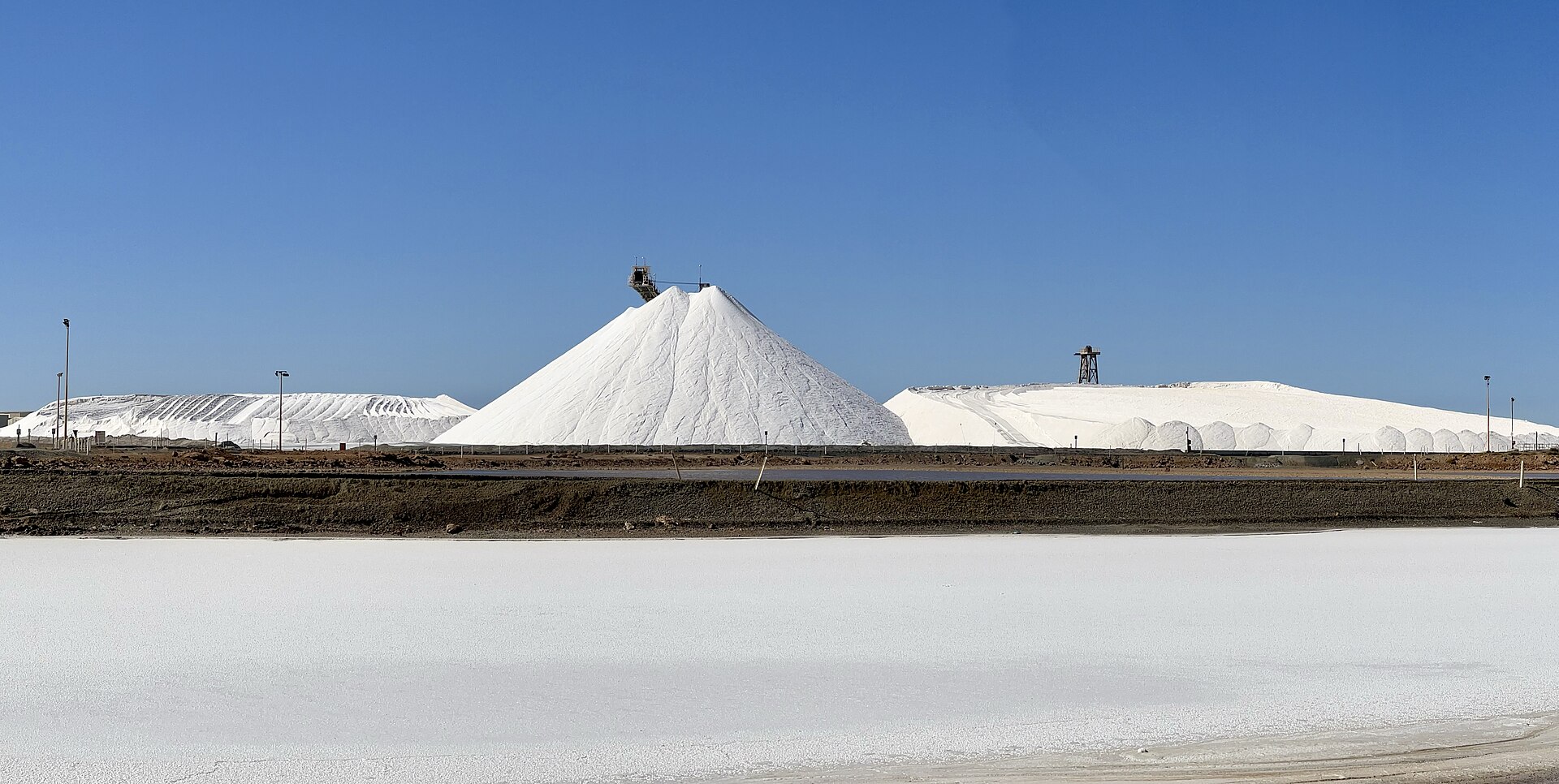
You’ve been told to go easy on the shaker. But the shaker was never the main problem. About 3/4 of the salt Australians eat is already in processed and packaged food when you buy it, researchers estimate, in line with other developed countries. The bread, the ham, the sauce, the stock, the takeaway. From 2009 the companies that make it signed up to cut it. By 2015, your salt intake still hadn’t fallen.
How it works
How the salt gets into you
Most of it is added before the food reaches your kitchen
Based on Trevena et al. (2014) and Land et al. (2018)
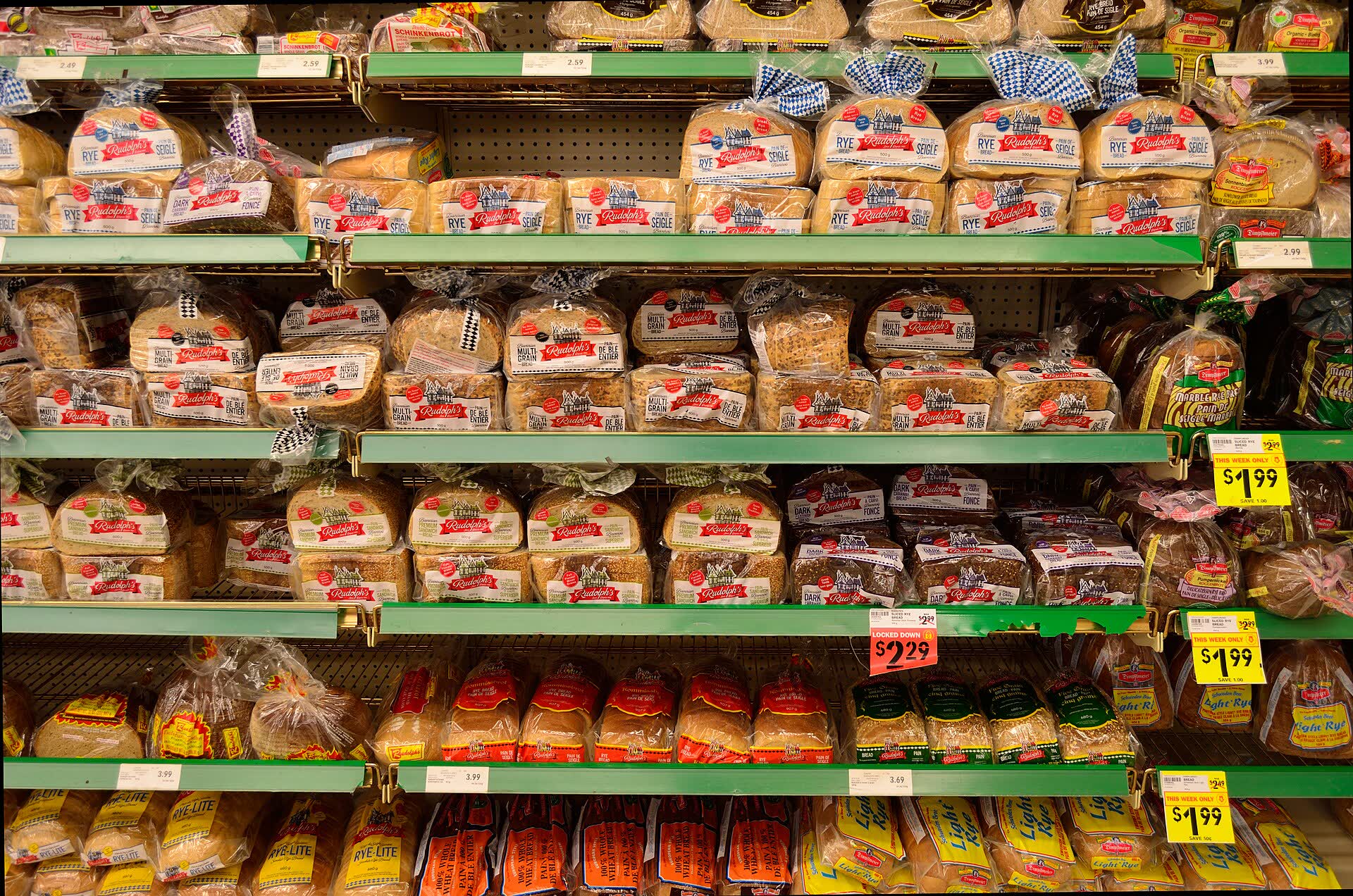
In packaged food, processed meat supplies 14% of the sodium, bread 12% and sauces 11%. The 3 biggest sellers are the supermarket chains, through their home brands: not saltier, the researchers found, just bought in huge volumes.
The deal they signed, and what it delivered
- They agreed the targets. In 2009 the federal government set up a voluntary deal, the Food and Health Dialogue. Companies “negotiated, agreed and committed” to sodium limits for bread (400 mg per 100 g) and bacon, ham and cured meat (1,090 mg) by December 2013. They made about 80% of the bread and 95% of the processed meat.
- They missed them. By 2013, average sodium had fallen just 9% in bread and 8% in cured meat. Breakfast cereals fell 25%, so it could be done.
- The biggest smallgoods maker went backwards. Primo supplied about 1/3 of the signed-up cured meats. Its share meeting the target fell from 24% to 14%.
- Nobody enforced it. A review found activity in 12 of 137 possible areas, no evidence it changed what Australians ate, and called the delivery “woefully inadequate”.
- Your intake didn’t move. Across 31 studies, salt intake did not fall between 1989 and 2015.
Products meeting the salt limits they agreed to
Share of products in 4 major Sydney supermarkets, 2010 vs 2013 (deadline December 2013)
By 2013, 1/3 of breads and over 1/2 of cured meats still missed the limit.
Source: Trevena et al., Nutrients (2014)
The new deal: more products, the same tiny result
In 2015 the Dialogue was replaced by the Healthy Food Partnership. Also voluntary. Its targets were so loose that almost 1/2 of products already met them, and even full compliance would cut the sodium in packaged food by just 3.5%. In July 2025 the government’s own statistician published the 4-year result.
How much of your sodium the salt deal touched
Share of the sodium in food Australians buy, by supermarket sales, Healthy Food Partnership Wave 1, 2020–2024
After 4 years, the signed-up products cut Australians’ sodium intake by an estimated 0.5%.
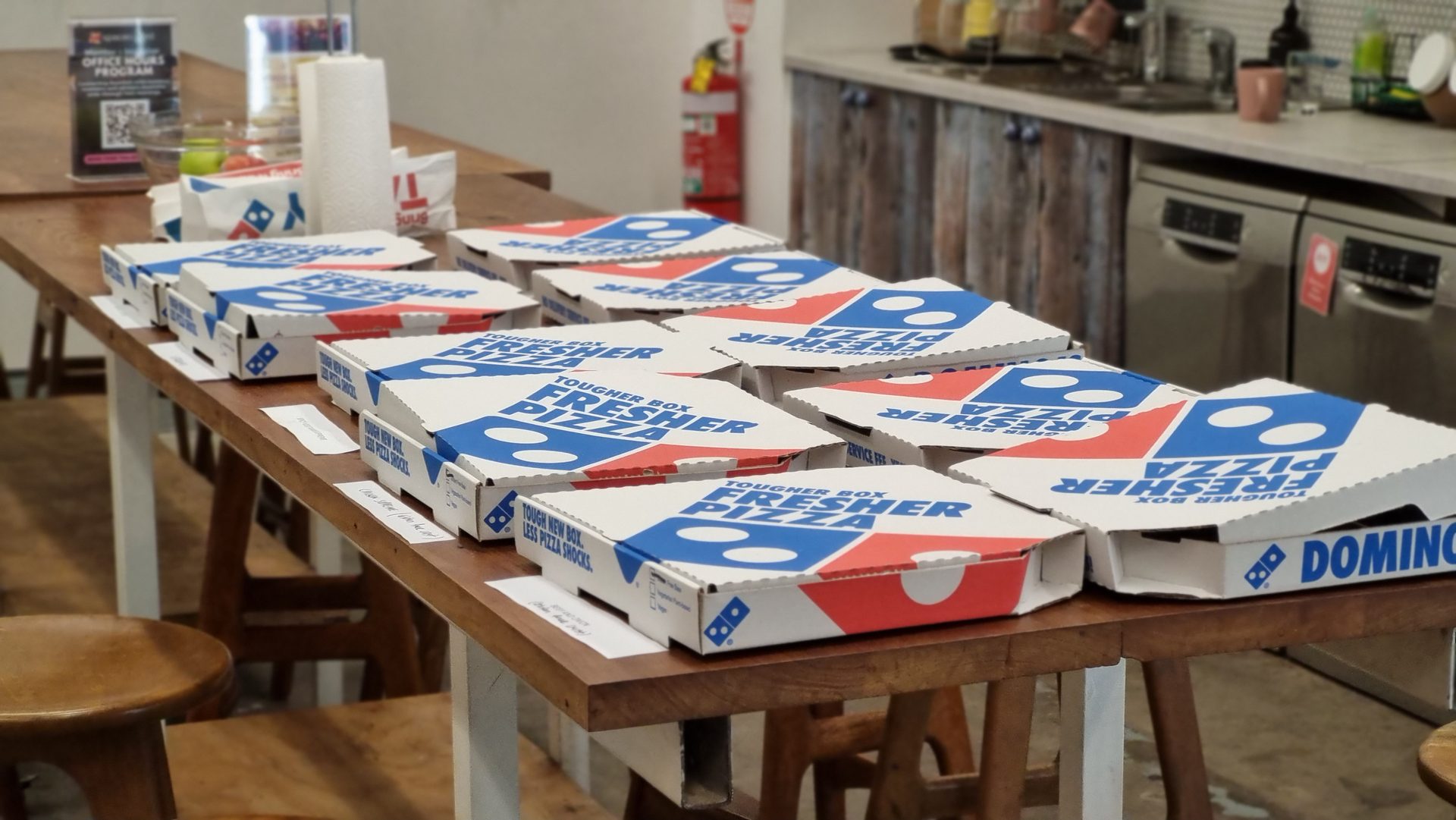
The signed-up products’ sodium fell 4.1% on average, and 81% now meet their targets, mostly because they already did. The result: an estimated 14.8 mg less sodium per person per day. One slice of Domino’s pepperoni pizza has 304 mg.
The fix: switch brands in the saltiest aisles
You can’t wait for the companies. But in every aisle the same food comes with very different salt, and the number is on the pack. Compare sodium per 100 g and buy the lower one. Pink salt in your shaker doesn’t touch the 3/4.
Same aisle, very different salt
Sodium in mg per 100 g (stock per 100 mL). The lower pick is highlighted.
Same job in your kitchen. Up to 10 times the salt.
Sources: pack nutrition panels via IGA; Domino’s; CHOICE (2025); Mission
- Bread and wraps. Tip Top’s white and wholemeal loaves now sit at 351 to 380 mg of sodium per 100 g. Wraps are saltier: Mission’s Original Super Soft wraps have 827 mg per 100 g, more than twice Tip Top White’s 380. Its Salt Reduced wrap has 365.
- Bacon, ham, salami. Pick Primo’s streaky bacon over DON Crafted Cuts, and Primo’s 25% Less Salt Leg Ham over its Double Smoked. Even the 25% Less Salt Mild Salami has 1,040 mg per 100 g, so keep salami for the platter.
- Stock and sauces. See the stock box below. Kikkoman’s Less Salt soy sauce has 3,808 mg per 100 mL, against 6,833 mg in the regular one.
- Takeaway. A Domino’s box of wings in hot sauce has 2,460 mg of sodium, more than the WHO’s 2,000 mg daily limit; in hot honey sauce, 1,290 mg. A classic-crust pepperoni pizza has 2,432 mg. Check before you order, and share.
What each fix does
Aim at the 3/4, not the shaker
Sources: The George Institute; CHOICE (2025); Neal et al., NEJM (2021)
FoodSwitch
A free app from Sydney’s George Institute, the researchers who tracked the industry’s targets. Scan a barcode and it lists similar products you can switch to. Turn on SaltSwitch and it ranks them by salt.
Get FoodSwitch →Lower-salt stock, or your own
In CHOICE’s 2025 comparison, Maggie Beer Natural Chicken Stock had 1/10 the sodium of Campbell’s Real Stock, for about twice the price per 100 mL. Cheaper: simmer chicken bones and vegetables, freeze it, and salt the dish to taste.
See the CHOICE test →A potassium-enriched salt
In a trial of 20,995 people in rural China who had had a stroke, or were over 60 with high blood pressure, salt with 25% potassium chloride cut strokes by 14% and deaths by 12% over about 5 years. It was randomised, a stronger test than the observational studies claiming salt is harmless. The trial left out people with serious kidney disease or on potassium-sparing diuretics or potassium supplements; if that’s you, ask your doctor first. And it left out people who eat most meals out. Here the shaker is the small part, so expect less, and use it with the swaps.
Read the trial →Do this today
- 1. Install FoodSwitch, turn on SaltSwitch, and scan your bread, bacon, ham and sauces.
- 2. Swap or make your stock. Make a batch and freeze it.
- 3. Swap your shaker for a potassium-enriched salt, unless you have kidney disease or take medicines that raise potassium. Check it’s iodised; if not, your iodine comes from packaged bread, dairy, eggs and seafood; don’t switch to sea salt for it. In pregnancy the NHMRC recommends a 150 µg iodine supplement a day.
Thinking of pink or Celtic salt instead? Read what the lab tests found in gourmet salt.
Go deeper
- Salt Sugar Fat by Michael Moss. How the food giants engineer salt into what you eat, drawing on the companies’ own internal documents.
What to make of it
The salt problem was never your shaker. It’s in the bread, the bacon, the stock and the takeaway, put there by companies that missed their own limits, then signed a new deal that moved your intake by 0.5%. They won’t fix it for you. The label will. Compare the sodium, buy the lower one, and make the saltiest staples yourself.
Sources
- Trevena et al., Nutrients (2014): An evaluation of the effects of the Australian Food and Health Dialogue targets on the sodium content of bread, breakfast cereals and processed meats
- Land et al., Medical Journal of Australia (2018): Salt consumption by Australian adults, a systematic review and meta-analysis
- The George Institute (2020): Supermarket home brands could be key to lowering salt intakes in Australia
- Jones et al., BMC Public Health (2016): Designing a Healthy Food Partnership, lessons from the Australian Food and Health Dialogue
- Coyle et al., BMJ Nutrition, Prevention & Health (2021): Estimating the potential impact of Australia’s reformulation programme on households’ sodium purchases
- Australian Bureau of Statistics (2025): Healthy Food Partnership Reformulation Program, Wave 1, four-year progress
- World Health Organization: Sodium reduction fact sheet
- Domino’s Pizza Australia: Nutritional information and allergens
- CHOICE (2025): Bone broths and stocks compared
- Kikkoman Australia: Naturally Brewed Soy Sauce
- Kikkoman Australia: Naturally Brewed Less Salt Soy Sauce
- IGA Shop: nutrition panels for DON and Primo bacon and ham
- Tip Top: White Sandwich nutrition information
- Mission Foods Australia: Salt Reduced Original Super Soft Wraps
- The George Institute for Global Health: FoodSwitch
- Neal et al., New England Journal of Medicine (2021): Effect of salt substitution on cardiovascular events and death
- ClinicalTrials.gov: China Salt Substitute and Stroke Study (NCT02092090)
- Healthdirect: Foods high in iodine
- NHMRC (2010): Iodine supplementation for pregnant and breastfeeding women
Amazon links are affiliate links. As an Amazon Associate I earn from qualifying purchases.
This article is general information and analysis, not medical advice. If you have high blood pressure, kidney disease or a thyroid condition, ask your doctor for your own limits. Product sodium figures come from the sources linked and can change when a recipe changes, so check the pack. Follow the sources to form your own view.