16%less testosterone in men aged 65–69 than in men the same age 15 years earlier. Your body is making less than your father’s did, ageing doesn’t explain it, and nearly 1/2 of Australian males are now short of a mineral it needs to make it.
Source: The Endocrine Society (2006), on a study in the Journal of Clinical Endocrinology & Metabolism
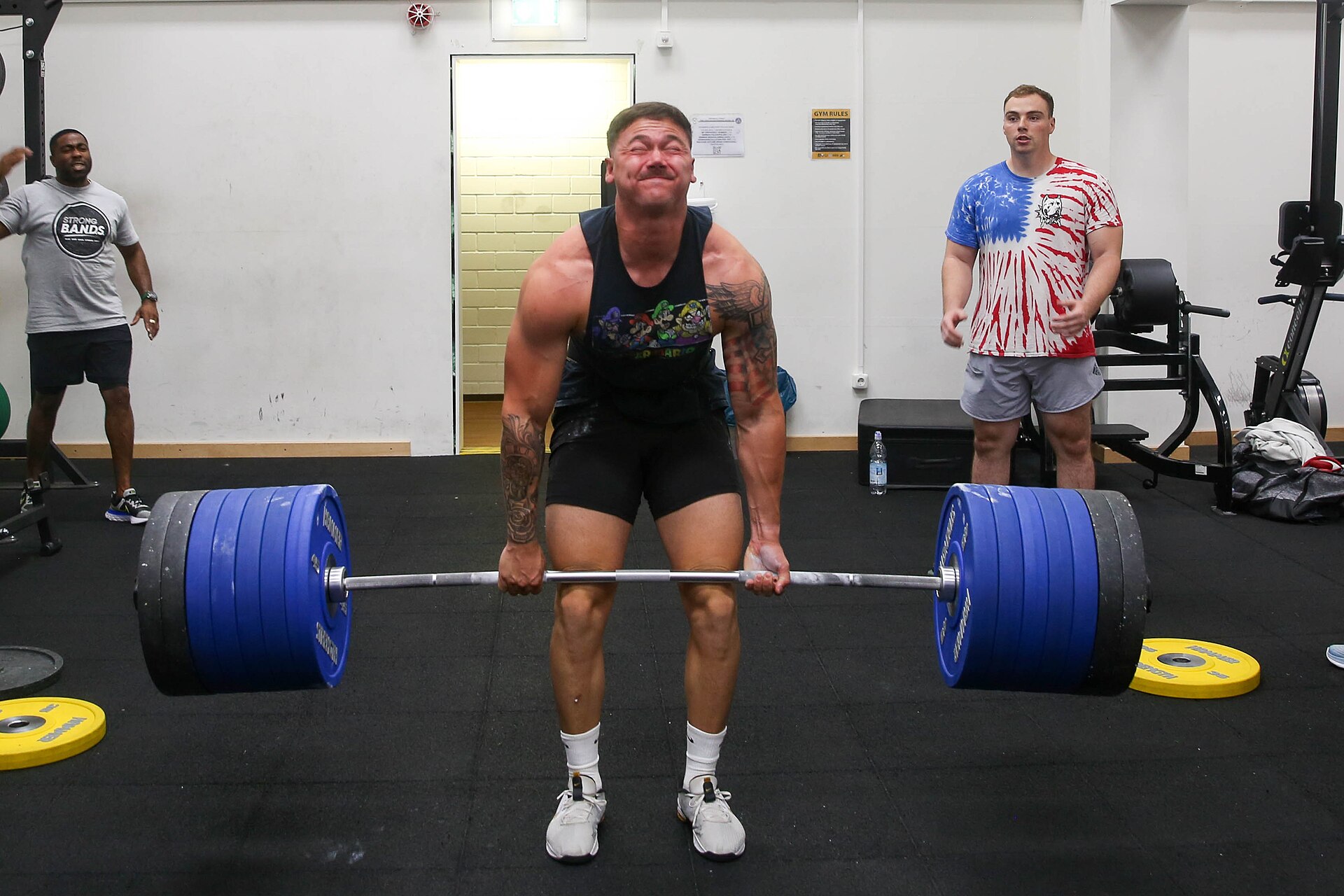
Testosterone helps keep your muscle and bone, and drives your energy and libido. In a long-running US study, men carried less of it than men the same age had a generation earlier, and the researchers couldn’t pin it on ageing, weight or smoking. You can’t change the year you were born. But the biggest levers in the research are ones you control: sleep, belly fat, strength and the minerals you eat.
How it works
What drags your testosterone down
Three levers the research points to. Stack them and it adds up.
Based on JAMA (2011), J Trace Elem Med Biol (2023) and the Florey Adelaide Male Ageing Study (2009)
Even Australia’s endocrinologists reject the “it’s just age” story. The Endocrine Society of Australia says there are no convincing data that healthy ageing by itself drops testosterone to a clinical deficiency, and that a substantial part of the fall with age may be down to obesity, disease and medication.
It’s not just your birthday
- Same age, less testosterone. Following 1,532 Boston men aged 45–79, researchers found a decline not attributable to smoking, obesity or other measured factors. Their suggested causes: birth cohort differences, or “environmental effects” they couldn’t measure.
- Young men too. Across 4,045 US adolescent and young adult men from 1999 to 2016, average testosterone was lower in the later years, and the trend held even in men of normal weight.
- In Adelaide, it was the gut, not the birthday. In 1,195 men aged 35–81, low testosterone was mostly linked to abdominal fat, high triglycerides and low muscle strength rather than ageing itself.
- Sleep is when you make it. When 10 healthy young men were cut to 5-hour nights for a week, daytime testosterone fell 10% to 15%. The authors note normal ageing takes it down 1% to 2% a year.
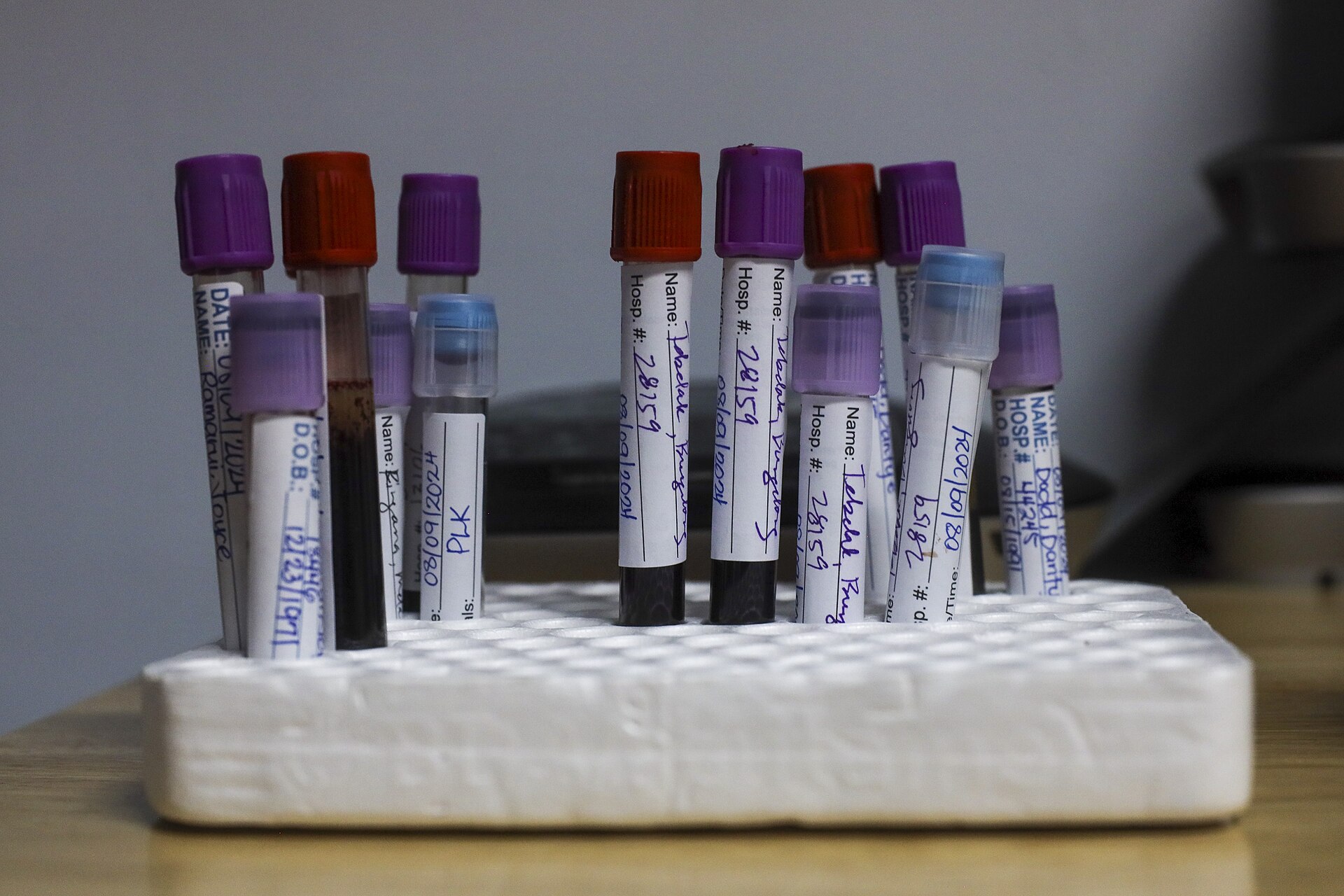
Australian men are running out of zinc
Your body uses zinc to regulate testosterone. A 2023 review of 38 studies, most of them in animals, concluded that zinc deficiency reduces testosterone and supplementation improves it, with the effect depending on where you start. Men need almost twice as much as women. And the latest national survey shows Australian men’s intake getting worse in every adult age group from 18 to 74.
Men who don’t get enough zinc from food
Australia, 2011–12 vs 2023
Young men went from about 1 in 3 short to more than 1 in 2 in about a decade.
A quarter of adult men took in less than 9.5 mg a day, at least 20% under what men over 30 need. Vitamin D is low too: 33.1% of men aged 18–24 were deficient in the latest blood tests.
The fix: sleep, lose the gut, lift, fill the gaps
Start with what costs nothing. Protect your sleep: a week of 5-hour nights cut testosterone as much as years of normal ageing would. If you carry extra weight, lose it: the Endocrine Society of Australia says 10% weight loss raises testosterone by 2–3 nmol/L, and tells obese men to lose weight with diet and exercise. Get stronger. Then fill the gaps the national data says you probably have: zinc and vitamin D first. Once those are covered, two herbs have human trials behind them: tongkat ali and shilajit.
What each fix does
Free fixes first. Supplements only fill real gaps.
Sources: JAMA (2011); Endocrine Society of Australia (2016); FAMAS (2009)
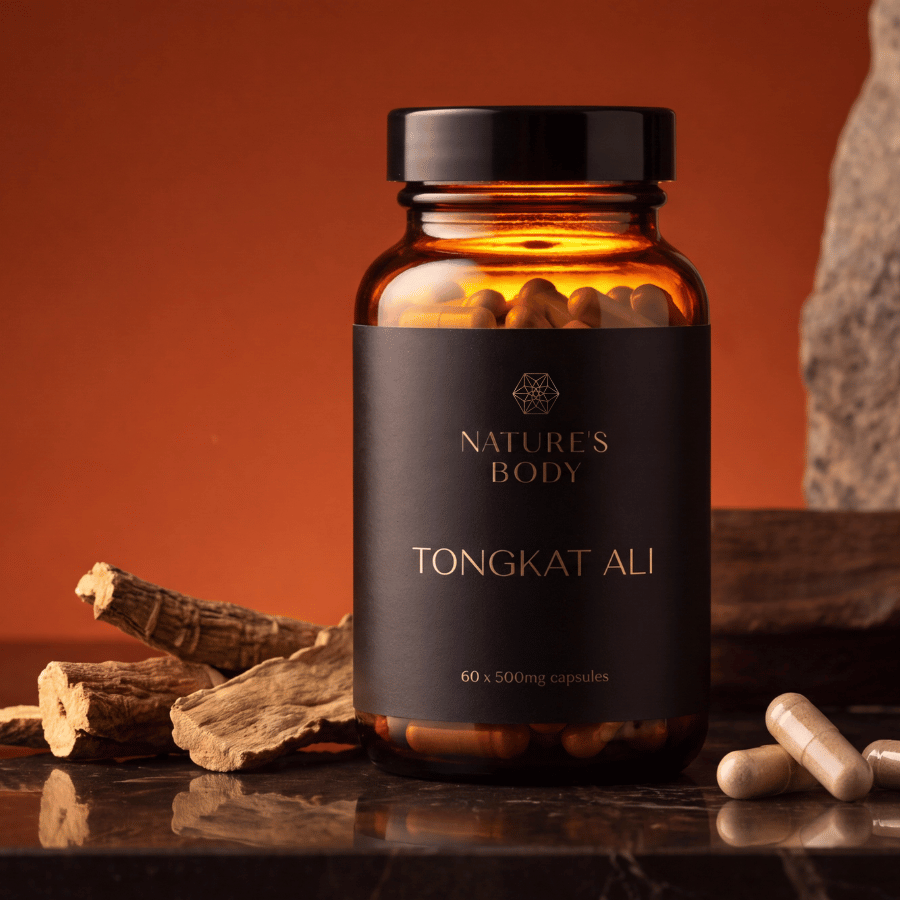
Tongkat Ali (Long Jack) 500mg
The herb with the most human evidence. A 2022 review pooled 5 randomised trials and found tongkat ali significantly raised total testosterone, mostly in men who started low. The authors say more research is needed before doctors use it. Australian made and GMP certified, A$54.95. A food supplement, not a medicine: follow the label, and talk to your GP if you take other medicines.
View product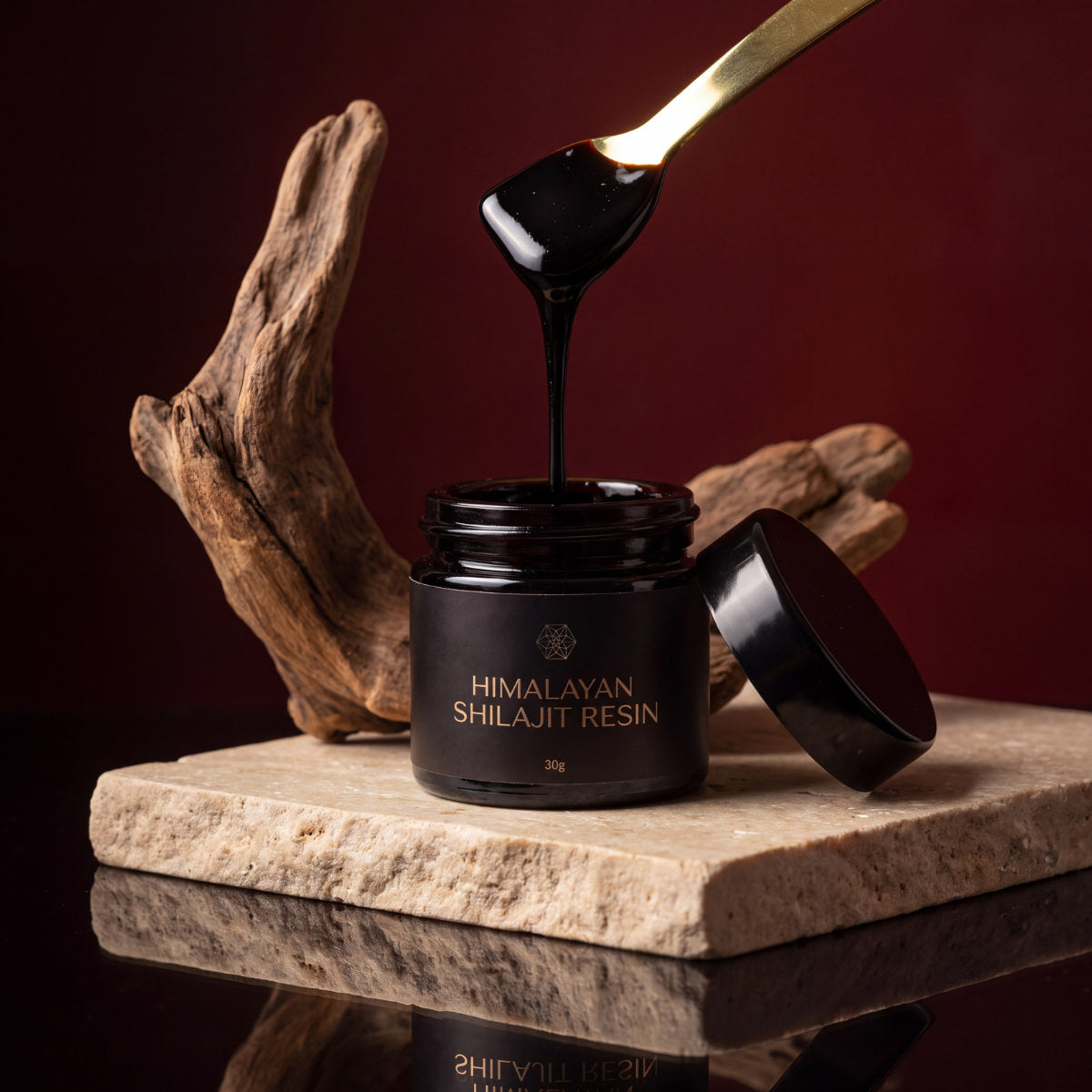
Pure Himalayan Shilajit Resin
A mineral resin used in Ayurvedic medicine. In a placebo-controlled trial of 96 men aged 45 to 55, purified shilajit at 250 mg twice a day for 90 days raised total and free testosterone compared with placebo. That’s one trial, so treat it as promising, not proven. 30 g of resin, third-party tested, A$59.95. A food supplement, not a medicine: follow the label.
View product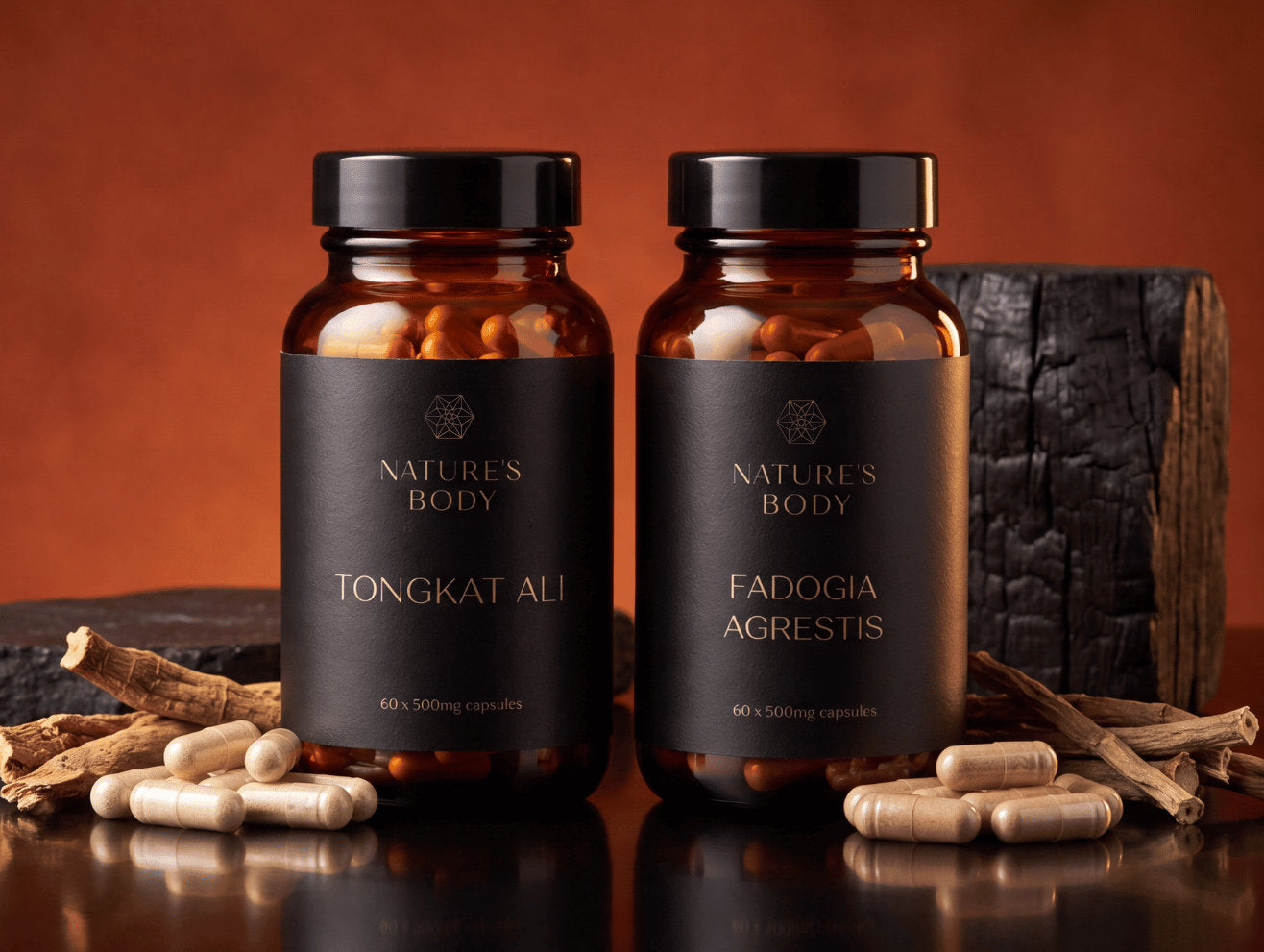
Tongkat Ali & Fadogia Agrestis Stack
Tongkat ali plus fadogia agrestis in one kit, A$99.95. Know what you’re getting: fadogia has only been tested in rats, where it raised testosterone but also affected testicular function at the doses used. There are no human trials yet. If you’re new to this, start with tongkat ali on its own. A food supplement, not a medicine: follow the label.
View productDo this today
- 1. Fix tonight’s sleep. No more 5-hour nights. Get the phone out of the bedroom.
- 2. Measure your waist and start lifting. If you carry extra weight, aim to lose 10% of it.
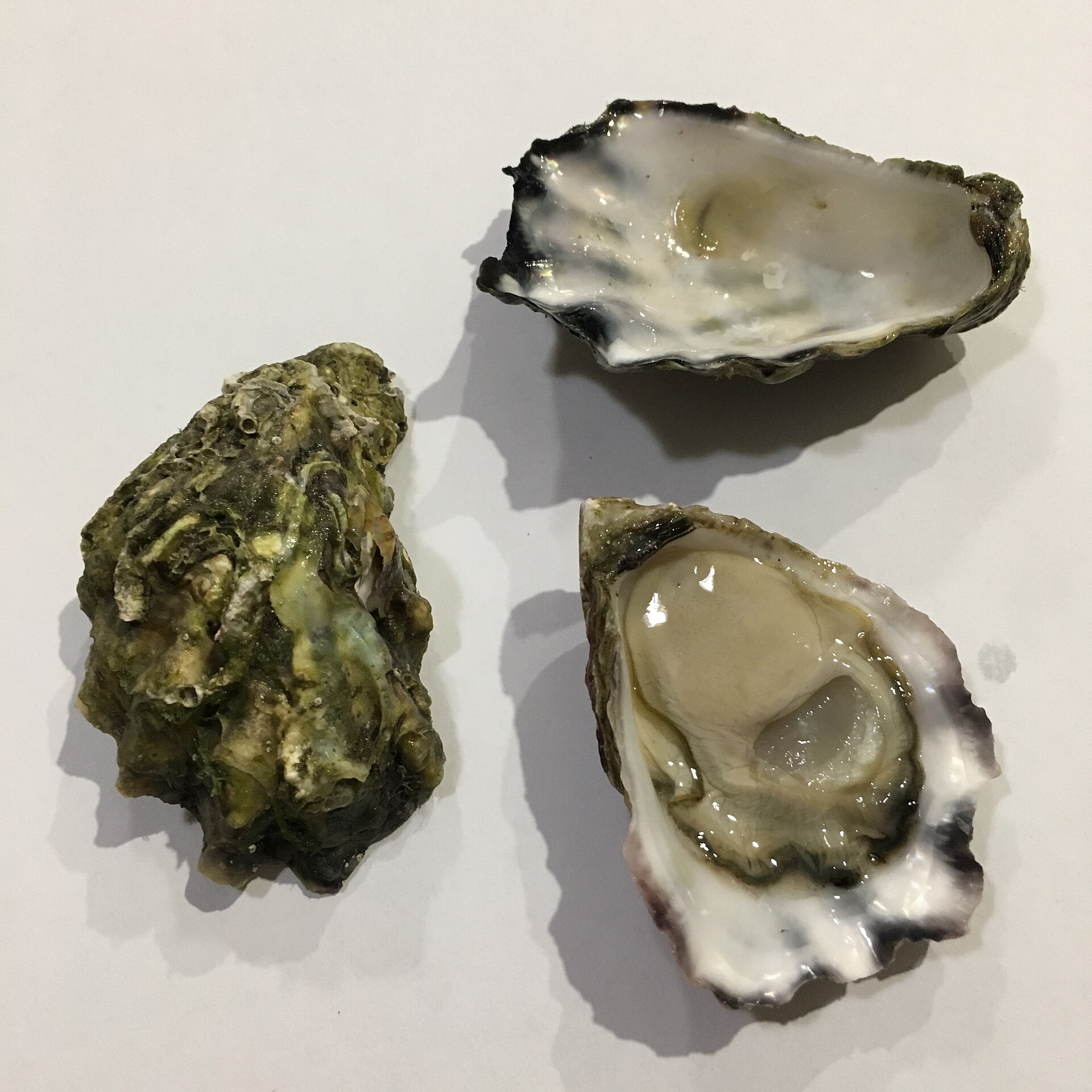
- 3. Eat zinc this week: oysters, red meat, seafood, pumpkin seeds. If you can’t, a zinc supplement fills the gap.
- 4. Book a morning blood test for testosterone and vitamin D if you have symptoms, and fill any vitamin D gap with D3.
- 5. Then, if you want to try a herb, add one at a time. Start with tongkat ali or shilajit, give it 3 months, and retest in the morning to see if it moved.
Sleep is the lever most men ignore. Read what your phone is doing to your sleep, and why 1 in 5 Australian adults are low in vitamin D.
Go deeper
- Count Down by Shanna H. Swan. An epidemiologist on falling sperm counts and male hormones, and the everyday chemicals she links to them.
What to make of it
Your testosterone isn’t set by your birthday. Men of the same age are making less than they used to, young men included, and nobody has fully explained why. But in the studies, the levers that moved it were sleep, body fat, strength and real nutrient gaps, and more Australian men are short of zinc than a decade ago. Pull those levers first. Then get a proper morning test.
Sources
- The Endocrine Society (2006): Testosterone levels in men decline over past two decades
- Journal of Clinical Endocrinology & Metabolism (2007): A population-level decline in serum testosterone levels in American men
- European Urology Focus (2021): Decline in serum testosterone levels among adolescent and young adult men in the USA
- Clinical Endocrinology (2009): Factors associated with androgen status, the Florey Adelaide Male Ageing Study
- JAMA (2011): Effect of 1 week of sleep restriction on testosterone levels in young healthy men
- Medical Journal of Australia (2016): Endocrine Society of Australia position statement on male hypogonadism (part 1)
- Journal of Trace Elements in Medicine and Biology (2023): Correlation between serum zinc and testosterone, a systematic review
- Australian Bureau of Statistics (2026): Usual nutrient intakes, 2023
- Australian Bureau of Statistics (2025): National Health Measures Survey, 2022–24
- healthdirect: Foods high in zinc
- Leisegang et al., Medicina (2022): Eurycoma longifolia (Tongkat Ali) improves serum total testosterone in men, a systematic review and meta-analysis
- Pandit et al., Andrologia (2016): Clinical evaluation of purified Shilajit on testosterone levels in healthy volunteers
- Yakubu et al., Asian Journal of Andrology (2005): Aphrodisiac potentials of the aqueous extract of Fadogia agrestis stem in male rats
- Yakubu et al., Journal of Ethnopharmacology (2008): Effects of Fadogia agrestis stem extract on testicular function indices of male rats
Products marked “In the shop” link to partner stores, and I may earn a commission if you buy, at no extra cost to you. Amazon links are affiliate links. As an Amazon Associate I earn from qualifying purchases.
This article is general information and analysis, not medical advice. Supplements are food supplements, not medicines. Talk to your GP before starting one or if you’re worried about your testosterone, and follow the sources to form your own view.