4.3%Prices rose 4.3% in a year, up from 4.0% a month earlier, after 4 rate rises in 2026. Your mortgage could go up again on Melbourne Cup Day.
Source: ABS (2026)

Your fuel, your power bill and your rates notice all went up again. On 28 October the Bureau of Statistics said prices rose 4.3% in the year to September, up from 4.0% in August. The Reserve Bank has already lifted rates 4 times this year to fight it. Its board meets next Tuesday, 3 November, the day of the Melbourne Cup. You are paying for inflation twice: once at the till, and again on your loan.
How it works
How a price shock reaches your mortgage
Four steps. Australia is at step 3.
The Reserve Bank can’t do much about the world oil price. What it can do is make borrowing dearer, so people and businesses spend less until price rises slow down. Savers earn a little more, and a stronger dollar can help at the margin. But for households, the main way the tool bites is through mortgages.
The numbers behind the jump
- Housing costs drove it. The ABS says housing was the biggest contributor, up 5.2% in a year. Inside that, electricity rose 12.8%, largely because the federal bill rebates are running out, and council rates rose 5.6%.
- Fuel was the next biggest driver. Transport rose 8.7%. Petrol and diesel rose 9.4% in September alone, after 14.8% in August, which the ABS put down to “higher world oil prices”. Over the year fuel is up 23.6%.
- The “underlying” number is too high as well. The Reserve Bank’s preferred measure, the trimmed mean, strips out the biggest swings like fuel. It still rose 1.0% in the quarter, against the Bank’s own forecast of 0.8%, and sits at 3.6% a year. The target is 2–3%.
- The Bank has warned you. Deputy Governor Andrew Hauser said on 21 October the inflation outlook looked materially worse than the Bank forecast in August, CommBank reported. Markets’ odds of a November rise jumped from about 24% to 56% on his words, CommBank’s analysts said. In September the board said it would “continue to do what it considers necessary”.
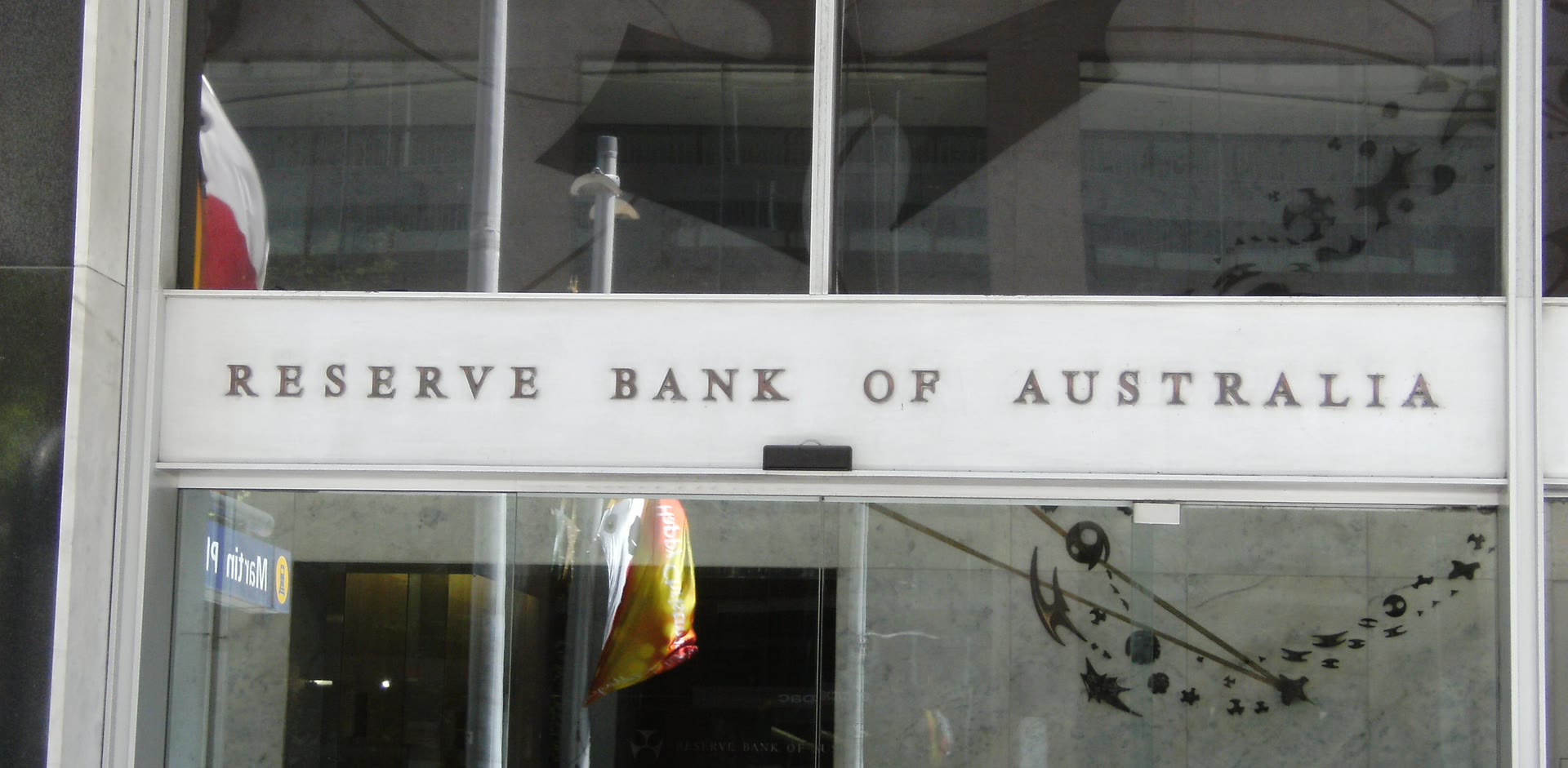
Why a 5th rise is a real risk
The big banks are split. ANZ and Westpac expect another rise next week, while CommBank and NAB expect a hold, Savings.com.au reported. CommBank’s own economist called the decision “live”. A month before the September rise, the median economist in a Reuters poll expected rates to peak at 4.35%, investingLive reported. Most now see 4.60% as the peak. They expected the peak last time too, and September’s inflation came in above the Bank’s forecast.
What the rises cost on a $600,000 loan
Monthly repayment, 30-year principal and interest loan
Our calculation with the standard loan formula, assuming the bank passes on each rise in full. The 4 rises in 2026 added 1 percentage point: about $386 a month on this loan. One more 0.25 point rise adds about $99. Your own rate will differ.
Rate rises: CommBank (2026). Check your own loan with the Moneysmart calculator.
That is about $4,600 a year more than in January on an ordinary loan, before one more rise. And the cause, oil above US$110 with Iran declaring the Strait of Hormuz closed again, isn’t something the Reserve Bank controls.

The fix: cut your rate, then protect your savings
You can’t vote on Tuesday’s decision. You can make sure your bank isn’t charging you more than it has to, that your spare cash works against your loan, and that not all of your savings sit in dollars whose return after tax barely keeps up with 4.3% inflation.
What each fix does
Each one claws back some of what inflation takes.
Sources: ACCC via RateCity; Moneysmart; Perth Mint
Ask for a better rate, or switch
Banks have long charged loyal customers more. The competition regulator found the big five banks charged existing variable borrowers 0.32 points more than new ones on loans written in 2015–17, about $1,200 a year on a $375,000 loan, and told borrowers to shop around. Find the rate your bank advertises to new customers, call and ask for it, and be ready to switch. Check discharge and application fees before you move.
Compare with Moneysmart →An offset account
Money in an offset account is subtracted from your loan balance before interest is worked out. At a 6.5% loan rate, $20,000 in offset saves about $1,300 a year in interest, and unlike bank interest that saving isn’t taxed. Most savings accounts can’t match that after tax. Watch for monthly fees on offset packages, and see Moneysmart’s guide.
How offsets work →Perth Mint Gold (ASX: PMGOLD)
Gold you buy like a share, with no safe needed. The metal is “guaranteed by the Government of Western Australia”, the fee is 0.15% a year, and you can convert to physical gold from 1oz. The guarantee covers the metal, not its price. Gold has held its value over decades but has had long stretches of real losses along the way, so treat it as diversification, not a cure for this year’s 4.3%. Pay down expensive debt first. General information only: it doesn’t consider your objectives, finances or needs, so read the product disclosure statement.
See gold and silver prices →Do this today
- 1. Find your current rate and the rate your bank offers new customers. Call and ask for the lower one before 3 November.
- 2. Move idle savings into your offset, if your loan has one, instead of a taxed savings account.
- 3. Decide on a small, long-term slice in gold, only after high-interest debt is gone.
For why the dollar keeps losing value in the first place, read how your dollar lost 1/2 its buying power since 2000.
Go deeper
- The Price of Time by Edward Chancellor. The history of interest rates, and who wins and loses when they move.
- When Money Dies by Adam Fergusson. What happened to ordinary savers when inflation ran out of control in 1920s Germany.
What to make of it
Inflation is back above 4%, and the Reserve Bank’s main lever on households is your mortgage. It has used it 4 times this year, and its own deputy says the outlook has got worse. Whether or not it moves on Cup Day, the pressure won’t ease while oil stays above US$110. Make the call to your bank this week, put your savings to work against your loan, and think about holding some of it outside the dollar.
Sources
- ABS (2026): CPI rose 4.3% in the year to September 2026
- Savings.com.au (2026): Australia’s inflation climbs to 4.3% ahead of crucial RBA rates call
- CommBank (2026): September data will keep inflation pressure on RBA
- CommBank (2026): Reserve Bank of Australia raises official cash rate to 4.60% in fourth increase of 2026
- investingLive (2026): Sticky core inflation pushes RBA towards its highest cash rate since 2011
- straits.live (2026): Is the Strait of Hormuz open?
- RateCity (2018): ACCC tells mortgage borrowers to switch banks
- Moneysmart: Mortgage offset accounts
- Moneysmart: Mortgage calculator
- Perth Mint (2026): Perth Mint Gold fact sheet
Amazon links are affiliate links. As an Amazon Associate I earn from qualifying purchases.
This article is general information and analysis, not financial advice. Follow the sources to form your own view.